
Canterbury’s meth use is now almost 40% above its average level from last year, recent wastewater testing shows. National consumption has risen to an estimated 36.6kg per week.
This level of methamphetamine use has a weekly social harm cost of almost $40 million. Cocaine use has decreased since it spiked in the October 2025 quarter, but remains above average nationwide.
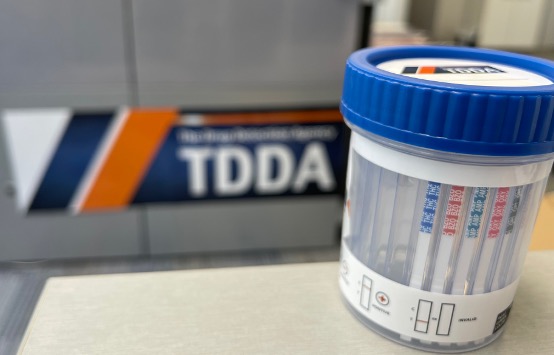
For Glenn Dobson, chief executive of The Drug Detection Agency (TDDA), the figures reinforce what workplace testing providers are already seeing on the ground.
The former New Zealand Police Senior Sergeant says employers need to think about substance use as part of a broader workplace safety strategy, especially during periods of rapid recruitment.
“Pre-employment testing is one of the most effective tools for keeping substance use out of the workplace from day one – and setting workplace expectations straight away,” he says.
Businesses routinely screen candidates through interviews, reference checks and licence verification. Dobson believes drug screening should be viewed in the same way.
“You interview candidates, screen CVs, check references, check driving history and then complete a drug test. It’s another step in making sure you’re not potentially hiring an issue and bringing negativity into the workplace.”
Getting recruitment wrong is costly. Job search site Seek Australia estimated that a poor hiring decision can cost small and medium-sized businesses more than $16,000 once lost productivity, recruitment expenses and management time are taken into account.
Dobson says workplace drug trends are evolving. Cannabis continues to be the most commonly detected drug in workplace testing programmes, but meth remains a major issue due to its impact on safety, behaviour and performance. At the same time, TDDA is seeing growing interest in emerging risks, including opioids and cocaine.
The rise in cocaine use is particularly noteworthy. Dobson recently presented at an industry conference in the United States, where fentanyl and cocaine were major topics of discussion. Wastewater testing reflects this. National cocaine use remains well above historical averages.
While New Zealand is some distance from the scale of America’s opioid crisis, he says the country is still connected to global drug supply networks. “We’re part of a global supply chain. The more we can advise employers to be aware of changing drug trends, the better prepared they’ll be.”
For many businesses, the primary concern is safety. Industries such as construction, transport, logistics and manufacturing often involve heavy machinery, working at height, operating vehicles or performing tasks where impaired judgement can have serious consequences.
“At the end of the day, people need to get home safely,” says Dobson. “Drugs can amplify risk, particularly in safety-sensitive roles. That’s why having a robust policy is so important. It’s about being fair to employees while also protecting their safety and the safety of others.”
Employers once adopted a strict ‘one strike and you’re out’ approach, but now many organisations recognise that support and rehabilitation pathways matter.
Dobson says a positive test result does not automatically mean someone is a bad employee or unwilling to contribute positively to a workplace. “There are several reasons why someone fails a drug test. Culturally, employers have matured around this. Most modern workplace policies now include rehabilitation and assistance options.”
Prescription medications are another consideration. Dobson says many businesses struggle to distinguish between detecting a substance and assessing whether someone can safely perform their role.
“A positive test doesn’t necessarily mean someone has done something wrong. They may be taking legitimate prescription medication. The bigger question is how that medication affects their ability to work safely.”
Rather than focusing solely on identifying illicit drug use, employers are increasingly considering overall fitness for work and the factors that may influence performance, decision-making and risk.
Reputation is another concern. While safety remains the primary driver behind workplace testing programmes, Dobson says businesses are becoming more aware of the potential reputational damage that can arise when substance-related incidents occur.
“Companies don’t want their brand or organisation appearing on the front page of the newspaper because someone made a poor decision influenced by drugs.”
As New Zealand grapples with record drug use and changing trends, Dobson believes workplaces have an important role to play. The more employers the TDDA can make aware of these issues, the better.
“Employers are part of the community. If we can help prevent and reduce demand for drugs through education, awareness and good workplace practices, that contributes to the wider solution.”
SPONSORED