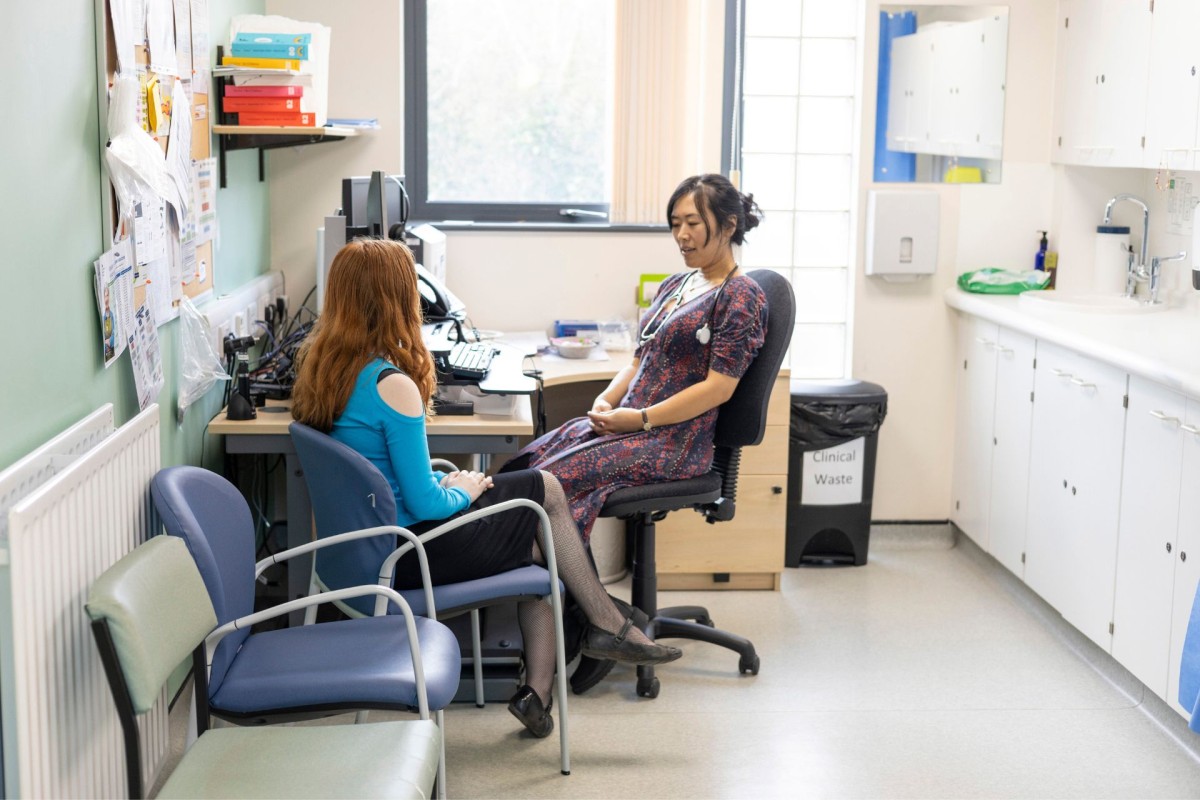

A new report into our rural and community hospitals has found many facilities are operating well below capacity, even as pressure on emergency departments and diagnostic services continues to rise across the country.
Rural hospitals could play a much larger role in easing pressure on overstretched metropolitan centres if staffing and support services were improved, per a report released by the unions APEX and the NZ Resident Doctors’ Association.
Titled A Great Little Hospital – Inside New Zealand’s Rural and Community Hospital System, the report examines data from hospitals around the country between 2023 and 2025.
It found rural emergency departments are experiencing steadily increasing demand, with patient presentations across 12 rural hospitals rising by 4.7% over the two-year period.
At the same time, the number of patients leaving without being treated jumped by 20%, showing the growing strain on services.
Despite that pressure, many rural and community hospitals still have significant unused capacity. The report found average bed utilisation across the rural hospital network sat at 79.5%, below the national average and lower than recommended best-practice levels.
Some hospitals were operating far below capacity. Tokoroa Hospital averaged bed use of 52.1%, while Kaitāia sat at 55.3% and Ashburton Hospital at 58.8%.
The report suggests better use of rural hospitals could help reduce congestion in larger urban centres, particularly as the health system continues to face rising demand and workforce shortages.
Demand for diagnostic services was also identified as a major issue. Radiology scanning and laboratory testing volumes were described as “rocketing upward”, reflecting nationwide pressure on diagnostic systems.
Medical staffing remains one of the biggest barriers to improving rural healthcare services, according to the report. Researchers described staffing shortages as the “rate limiting step” affecting emergency department assessments, hospital admissions, inpatient care, and discharge times.
The report also calls for a shift toward more comprehensive seven-day healthcare models in rural hospitals, arguing traditional after-hours on-call systems are no longer meeting modern healthcare demands.
Dr Deborah Powell, National Secretary of APEX and NZRDA, said rural hospitals were often highly valued workplaces with strong training opportunities, but many were not being used to their full potential.
“Resident doctors and allied health professionals tell us rural hospitals are great places to work and train,” she said. “However, many of these hospitals are not meeting patient needs or their full potential due to a lack of focus on ensuring sufficient medical staffing, diagnostic support and seven-day service models.”
Dr Powell said improving healthcare outcomes would require both better use of existing hospital infrastructure and targeted investment in high-demand areas.
“One of our members described their workplace as ‘a great little hospital’ – and we hope this report leads to a renewed focus on how we can improve rural hospital services,” she said.
SPONSORED