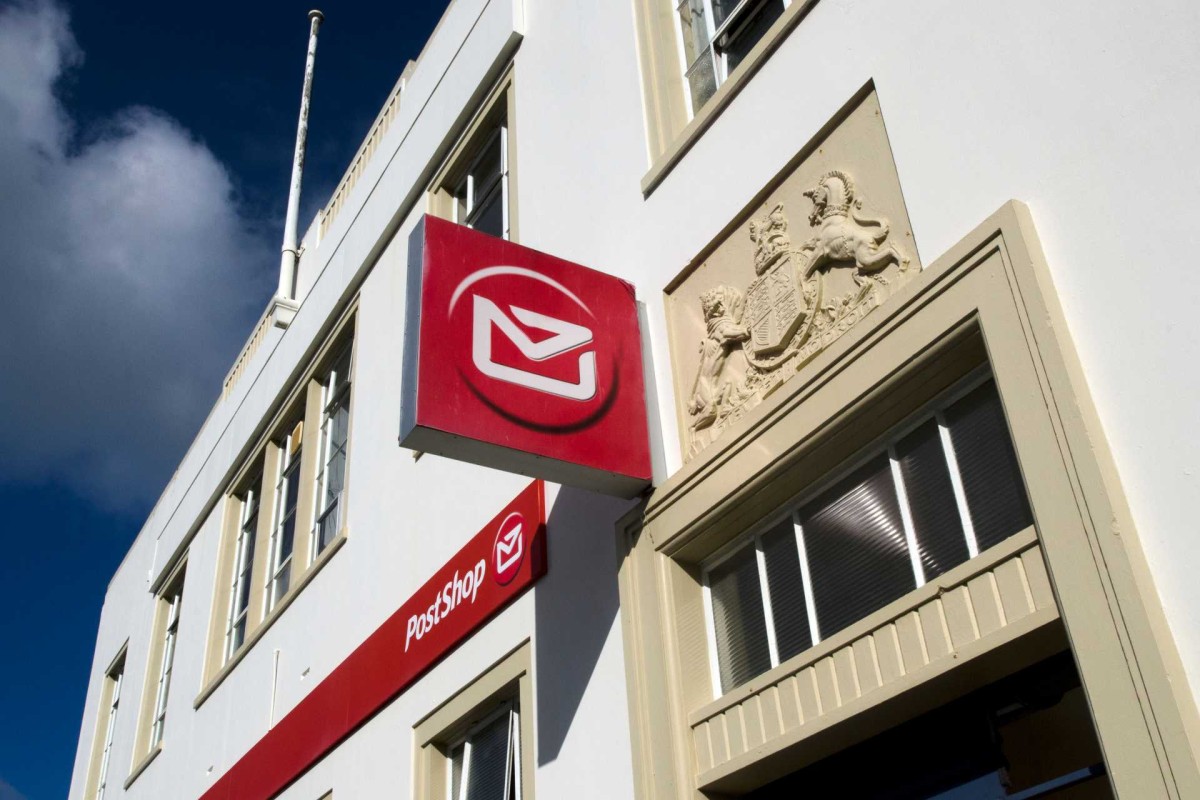

New Zealand Post has confirmed it plans to close 142 urban retail partner stores by May 2026. This includes pharmacies, supermarkets, and bookstores across urban centres.
NZ Post general manager consumer, Sarah Sandoval, says the current network is much bigger than is needed.
“While these changes will see NZ Post remove services from 142 urban retail partner stores nationwide in 2026, the remaining network of 567 stores will still be significantly larger than any New Zealand supermarket or bank branch network.
“In fact, 90% of Kiwis living in urban areas will still be within 4km of an NZ Post store.”
Rural stores won’t experience any changes at this time, the state-owned organisation says.
NZ Post will upgrade some existing stores and introduce new multi-service hubs. Two hubs are already open in Newmarket and Hardinge Street in Auckland.
Christchurch and Palmerston North are set to follow in the first half of 2026, and more locations are planned.
Sandoval says much has changed since the 1980s, when NZ Post’s minimum store requirements were last set and that the rebalanced network will better align with how customers use our products and services today and into the future.
“Customers now rely far more on NZ Post stores for collecting and sending parcels compared to letters,” she says.
“We’ve carefully assessed customer and network data and engaged with our retail partners to understand where changes make sense, while maintaining access to the right mix of services in communities.”
A recent update to the Deed of Understanding saw the Government and NZ Post reset the minimum store requirements.
“Over time, these changes will help us operate in a more sustainable and commercially responsible way, which is essential for ongoing improvements to stores, services and overall customer experience.”
NZ Post data from FY2024 revealed that, of the approximately 182 million mail items carried in New Zealand that year, the majority (approximately 64%) were sent by private businesses or organisations, MBIE says.
Individuals accounted for less than 1% of mail sent; most New Zealanders are recipients rather than heavy senders of traditional mail.
The decline in letter volume reflects broader shifts towards digital communication, with people increasingly using phones and online channels rather than postal letters.
Mail use remains more important for some groups, including those with limited digital access, but overall volumes have decreased significantly over time. Visit https://www.nzpost.co.nz/about-us/store-changes for more information.
SPONSORED