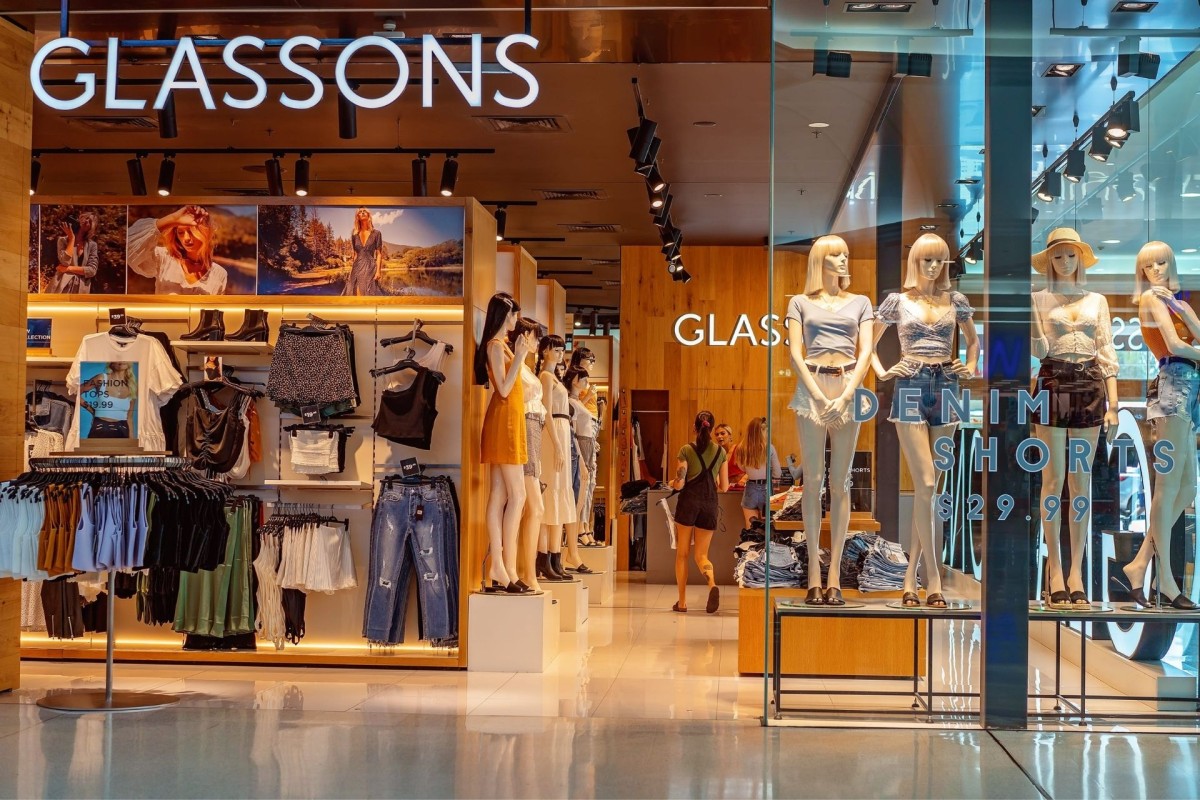

Women’s fashion chain Glassons opened a new store at Miranda in southern Sydney in mid-August. The first 20 people through the door were promised an Ultimate Shire Pack worth up to A$400. The next 150 were promised gift boxes. Shoppers started lining up outside the shopping centre before 5am.
Security wouldn’t let them wait inside the mall, so the queue sorted itself out, with people numbering themselves in the order they arrived. When the doors opened about 6.10am, more shoppers turned up and the system broke down. The crowd ran through the mall and up the escalators. Reports said people were pushed from behind, shoved into walls and lost shoes.
Of course, this was a crowd-control and safety problem. But the scramble ended up worth a lot to Glassons. Plenty of people filmed the frenzy and the footage travelled far. Massey University marketing professor Bodo Lang told the NZ Herald the free exposure from all that user-generated content “would have been worth easily in the tens of thousands, maybe even in the hundreds of thousands of dollars”. As he put it, the shoppers became the advertisers.
Australian retail analyst Trent Rigby told SmartCompany that openings like this are the new Boxing Day midnight sales, and that “the queue itself has become the experience”. “Hundreds of people camping outside your store is marketing you simply just can’t buy,” he said, “and it’s created and distributed for free by the customers themselves.”
New Zealand does the same thing, just not for Glassons. Hundreds queued for IKEA’s Sylvia Park opening in December, while similarly large crowds turned out for Costco at Westgate in 2022, with some shoppers camping overnight. Both were brands opening their first New Zealand stores. That is the mechanism. A giveaway pulls a crowd only when the shop is new.
Glassons started in Christchurch in 1918 as a mail-order clothing business founded by JH Glasson, and merged with Hallensteins in 1985 to form the NZX-listed company that owns it now. To a New Zealand shopper, it’s the store that has been in your local mall since you were 13, with four Canterbury branches: High Street, Riccarton, Northlands and Hornby. It cannot be new here again.
Australia met it later, and plenty of shoppers there found it on TikTok. The accounts show the difference, if not as cleanly as they look. In the year to 1 August 2025, Glassons Australia made A$251.5 million in sales, up 15.3%, against NZ$111.9 million here, up 1.7%. Some of it is arithmetic. Australia has five times the population and Glassons continues to open stores there. But the gap keeps widening. In the half-year to February, Australian sales were up 22.4%.
Being the shop that everyone grew up with is worth plenty, but it also costs you the queue. But familiarity isn’t the whole story. Give loyal shoppers a real deadline and they’ll still turn up.
Read an extended version of this article on www.b2bnews.co.nz
SPONSORED