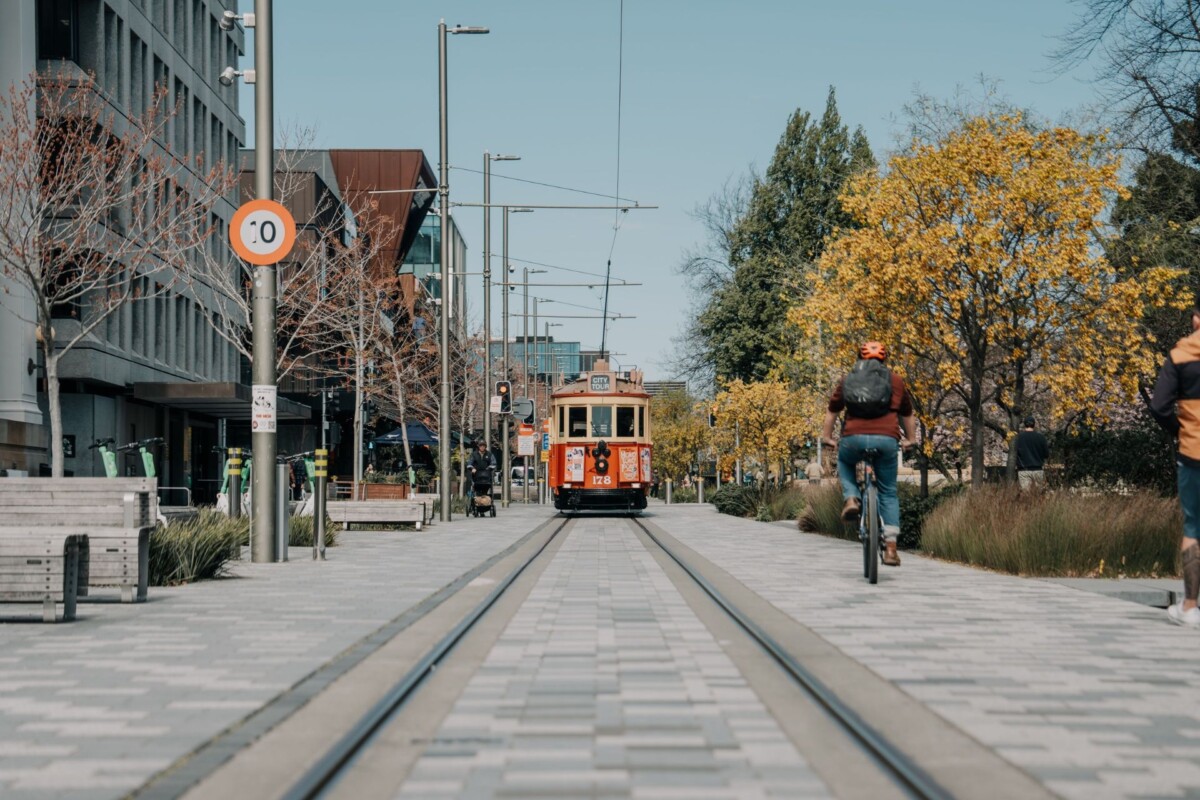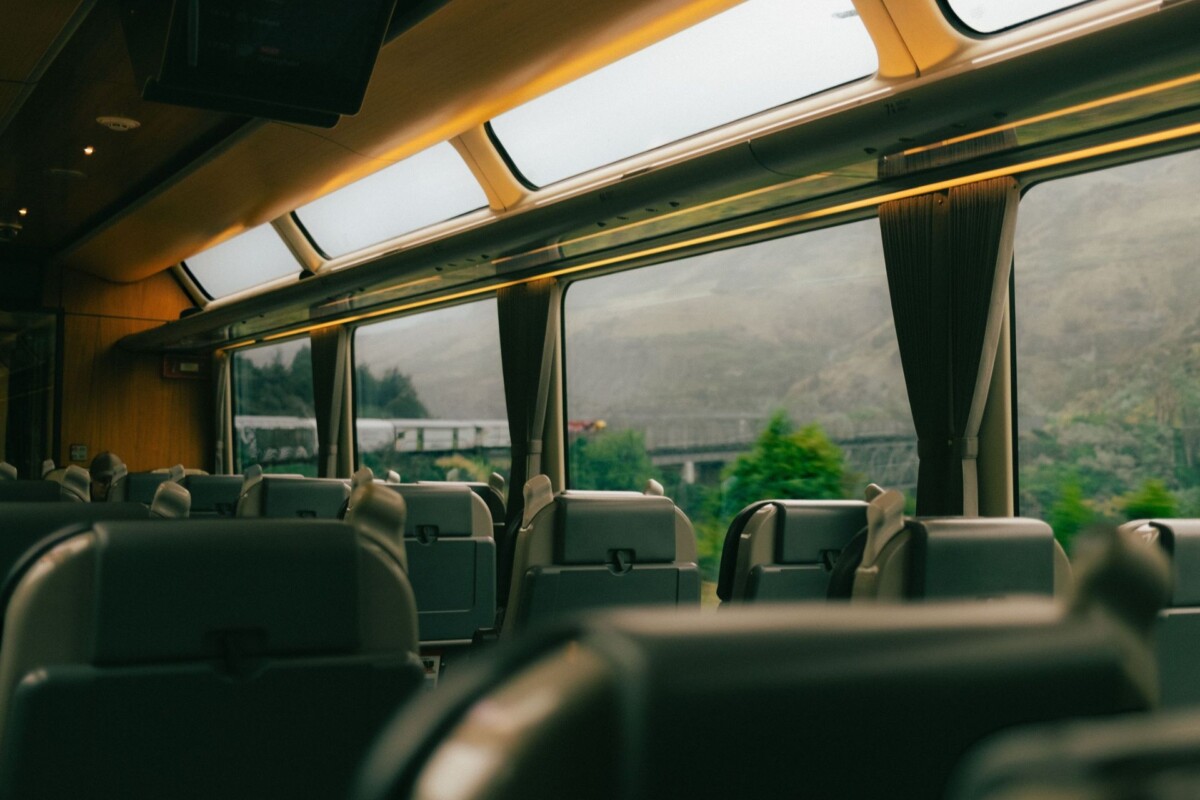

The Government has put a $3.4m loan behind a 12-month commuter rail trial into Christchurch. But the trains won’t run unless local councils confirm their combined half of the costs and the mayors of Christchurch, Selwyn and Waimakariri send letters of support. RNZ reports the councils are yet to sign off.
Rail Minister Winston Peters and Regional Development Minister Shane Jones announced the Regional Infrastructure Fund loan on 1 November. It supports Mainland Rail, a private company that owns rail carriages and intends to run morning and evening services from Rangiora and Rolleston into central Christchurch from mid-2027. The same loan is meant to help move its Mainlander train from monthly excursions to a regular timetable between Christchurch and Invercargill.
The ministers’ release puts the Rolleston trip at under 20 minutes by rail, against 50 by road. Fares will be announced later, and Peters says he expects them to be similar to what rail commuters pay in Wellington and Auckland.
What the numbers show
RNZ reports that fares are expected to cover half of a $6.8m operating budget for the trial, and that councils are expected to find $1.7m. The release gives neither figure. It also leaves out the loan’s terms and how the $3.4m splits between the trial and the Mainlander.
No patronage forecast for the trial appears in the release or the coverage so far, but the arithmetic shows the scale. Raising $3.4m in fares over about 250 working days means $13,600 a day. That’s about 4500 trips at Metro’s current $3 bus fare, or about 2300 at $6.
If fares do cover half, each trip costs about twice what the passenger pays. NZ First’s campaign release talked about hundreds of people a day building the case for a permanent service. Environment Canterbury councillor Joe Davies estimated 2000 peak-hour users for his 13-station proposal in 2025.
A permanent line is a different order of cost. RNZ reported estimates of $200m to $400m to build and $50m to $100m a year to run when Environment Canterbury voted in May 2025 to approach KiwiRail about a business case. A 2021 interim report published by the Greater Christchurch Partnership put an upgraded, electrified double-track line at $2.0b to $2.4b, plus $126m a year.
That report also put Rolleston to the city centre at 22 to 40 minutes by car in the afternoon peak, 45 by bus and 29 by its proposed train. Peters’ case is that New Zealanders are sick of proposals costing hundreds of millions or billions when existing assets could do the job.
Public transport group Save Our Trains Southern says 12 months is too short and wants five years, as Hamilton’s Te Huia got. A Waikato Regional Council report, covered by Local Democracy Reporting, puts the ratepayer subsidy on that much longer service at $34.92 a passenger, against about $3.62 on the region’s buses.
The argument over timing
NZ First pledged the trial on 18 October as a promise if re-elected, with Peters speaking as party leader. Stuff reports he put it at about $4m, and the party’s rail policy later listed $4m a year in Government operating co-funding. Two weeks after the pledge, and six days before the 7 November election, Peters and Jones announced the loan as ministers in a Government release.
Invercargill Mayor Tom Campbell told RNZ the news surprised him. “You’d almost think there’s a general election coming up.” He also says ratepayers shouldn’t be asked to fund a train while the Government limits rates rises, and that the service must stand up commercially.
Invercargill councillor Ria Bond, a former NZ First MP who has campaigned for the southern service, called the timing disingenuous and said she almost felt councils were being set up to fail. Both are southern voices, and RNZ’s report centres on the Mainlander. It carries no reply from Peters.
His stated case is in the release, which calls the trial a chance for Cantabrians to prove their support for rail in practice. On 18 October he said a permanent railway needs passengers and has to make economic sense. Mainland Rail founder Paul Jackson was also talking publicly about a commuter pilot and possible funding partners in September, before the pledge.
Where everyone else stands
Christchurch Mayor Phil Mauger backed NZ First’s trial idea in October. In September, Waimakariri Mayor Dan Gordon backed Mainland Rail’s search for funding, while Selwyn Mayor Lydia Gliddon said the best short-term value lay in building on bus services and park and ride.
Environment Canterbury chair Deon Swiggs says its own feasibility study into existing corridors will start next year and could take up to two years. Its direct Rolleston bus trial runs until June 2027, and the council will weigh its future in the Long-Term Plan. National’s Waimakariri MP Matt Doocey said in 2025 that earlier reports found main-line commuter rail unworkable, citing Addington’s location and the lack of a passing lane for freight.
Labour leader Chris Hipkins says he’s a big fan of commuter rail but wouldn’t promise a Rolleston service, because the numbers must stack up in a robust business case, though it needn’t be immediately profitable. The Greens are promising Christchurch to Dunedin passenger rail. Prime Minister Christopher Luxon, responding to the Greens’ intercity plan, said he didn’t want taxpayers funding rail that wasn’t commercially viable, and Transport Minister Chris Bishop said in September the Government’s focus was the Auckland and Wellington metro networks.
Mainland Rail now has to start planning with councils, the rail regulator and KiwiRail, and says it will announce start dates closer to the time. The councils’ decisions on their share come first.
SPONSORED