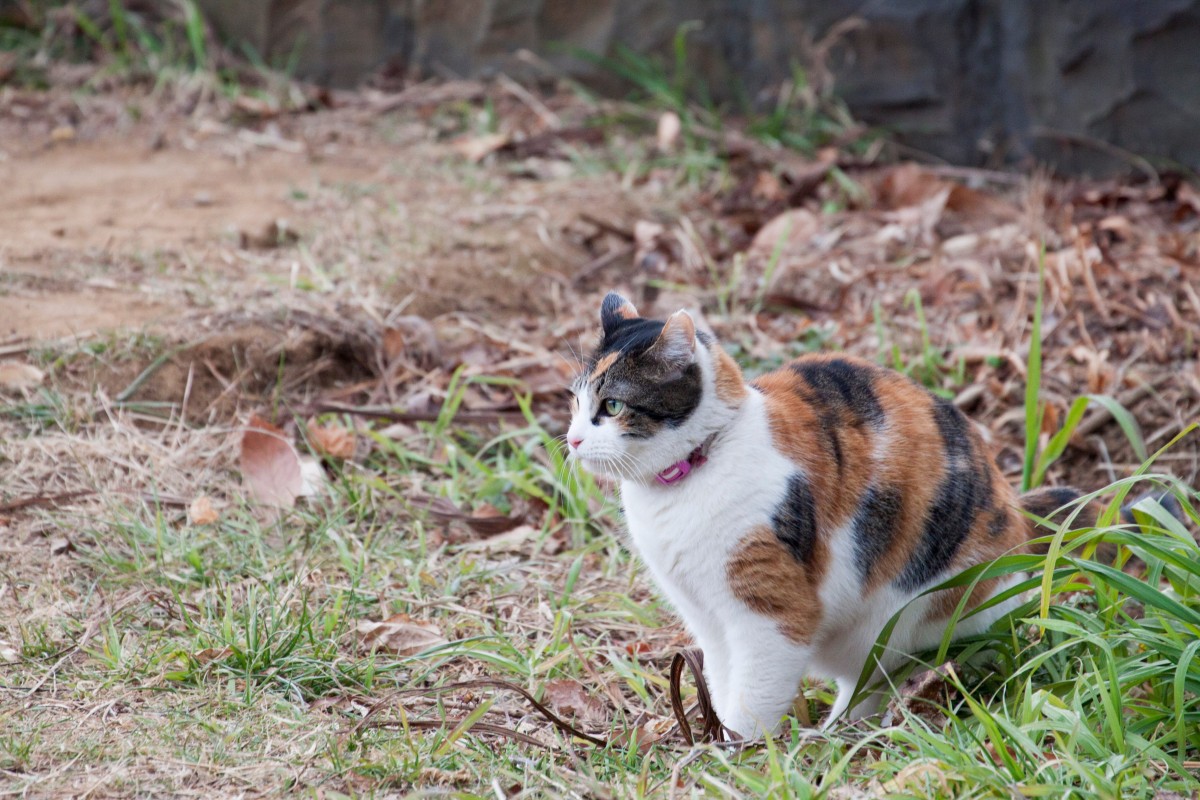

For many households, cats are part of the family. They’re affectionate, low-maintenance companions that bring comfort and routine into everyday life. But behind the cosy image of a cat curled up on the couch is a far less comfortable reality: even well-fed domestic cats are natural hunters, and their impact on local wildlife can be significant.
In New Zealand, this issue is particularly important. Native bird populations evolved without mammalian predators, meaning they often lack the instinctive defences needed to cope with introduced species like cats. Ground-nesting birds and small lizards are especially vulnerable, and even urban environments are not immune. A cat allowed to roam freely can still hunt in gardens, reserves, and nearby bush, contributing to ongoing pressure on already threatened species.
The scale of the impact is often underestimated. Research has consistently shown that domestic cats, even those that appear well-fed, will hunt and kill birds, lizards, and insects. While a single cat may not seem significant, when multiplied across thousands of households, the cumulative effect becomes substantial.
So, what can responsible cat ownership look like?
One of the most effective steps is keeping cats indoors or limiting their outdoor time, particularly at dawn and dusk when wildlife is most active. Indoor enrichment is key here; scratching posts, climbing structures, and interactive toys can help replicate the stimulation of the outdoors and reduce the urge to hunt.
If a fully indoor lifestyle isn’t realistic, a contained outdoor space such as a catio or secure garden can offer a compromise. These spaces allow cats to experience fresh air and sunlight without accessing native wildlife areas.
Another important measure is fitting cats with bells or brightly coloured collars designed to alert potential prey. While not foolproof, studies suggest these can reduce hunting success rates. Regular feeding routines also help ensure cats are less motivated by hunger, though it’s important to understand that hunting is not purely food-driven; it is instinctual behaviour.
Desexing is another crucial step. It not only reduces roaming behaviour but also helps manage the broader issue of cat overpopulation, which indirectly increases pressure on wildlife through stray and feral cat populations.
Community awareness also plays a role. Neighbourhood conversations about responsible cat ownership can help normalise practices like keeping cats indoors at night or during bird breeding seasons. Some councils in New Zealand have already introduced or are considering cat management policies to better protect local biodiversity.
The question isn’t whether cats are good or bad for the environment. It’s about recognising their natural behaviour and making informed choices that balance animal welfare with ecological responsibility. Small changes in how cats are managed at home can collectively make a meaningful difference to the survival of vulnerable native species.
Owning a cat doesn’t have to come at the expense of local wildlife, but it does require awareness, intention, and a willingness to adjust habits for the bigger picture.
SPONSORED