
A majority of New Zealanders are concerned about how the conflict in the Middle East could affect their finances, with many already taking steps to reduce costs, particularly when it comes to fuel, according to new research from Westpac NZ.
The survey also indicates that some businesses in the transport, manufacturing, and agriculture sectors are already experiencing the effects of rising fuel prices.
The nationally representative survey of 414 people, conducted by research platform Ideally late last week, found that 42% of respondents are very concerned about the financial impact of the conflict, while a further 38% are somewhat concerned.
In response, 41% say they have already reduced how often they drive to manage higher fuel costs. Meanwhile, 28% have cut back on non-essential spending and 26% have changed the way they shop for groceries. Only one in four respondents report no change to their spending or behaviour.
Looking ahead, 45% say they are considering using their car less frequently, and 39% are thinking about reducing discretionary spending.
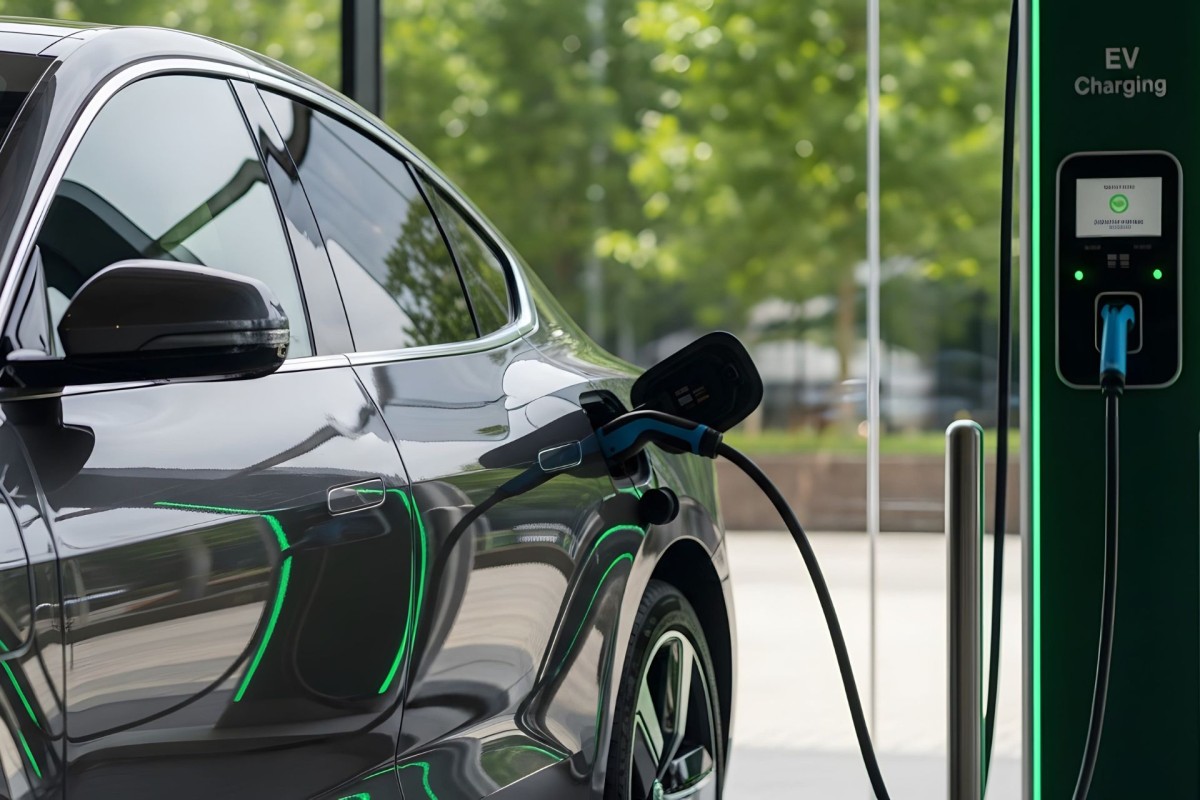
Westpac NZ Managing Director of Institutional and Business Banking, Reuben Tucker, says demand for electric vehicles (EVs) through the bank’s Greater Choices home loan top-up and EV loan products has surged as fuel prices have increased.
“In the past two weeks, applications for EVs through these products have roughly doubled,” he says. “We’re the only bank offering interest-free lending for EVs and chargers, which is one way we can help customers manage higher living costs now and in the future.”
Westpac home loan customers can borrow up to $50,000 interest-free for EVs, chargers, and energy-efficient home upgrades such as solar panels, heat pumps, and insulation. EV loans are also available to non-home loan customers at a rate of 7.99% per annum.
He says it is still too early to see signs of increased household stress in the bank’s data, but Westpac is ready to support customers if needed.
“For households, we offer practical support through options such as our Debt Consolidation Personal Loan, which can simplify multiple debts and help customers pay them off faster. We also provide financial education through our Managing Your Money workshops and budgeting tools like CashNav.
“Some businesses, particularly in transport, manufacturing and agriculture, are already feeling the impact of the conflict. We are proactively reaching out to those most likely to be affected to see how we can help.
“Farmers and growers are facing rising fertiliser and fuel costs, along with some export disruptions. However, they are generally in a strong position to manage these challenges, with healthier balance sheets and cash surpluses than in recent years.
“Transport companies are under pressure from higher fuel prices. While some can pass on costs through contract clauses, others are having to absorb them.
“The longer the conflict continues, the greater the risk of supply chain disruption and rising costs for our business customers. Many are already exploring alternative suppliers or delaying major investment decisions.
“The good news is that customers’ finances are generally in solid shape heading into this period of higher prices. Many households are still moving onto lower interest rates when refixing their home loans, and more are ahead on repayments compared to a year ago.
“However, the current uncertainty is a timely reminder to regularly review your financial situation and ensure you’re on track to meet your goals. We encourage anyone concerned about their finances to get in touch early, so we can help put a plan in place.”
Survey Results:
How concerned are you about the impact of the Middle East conflict on your finances?
Very concerned 42%
Somewhat concerned 38%
Neither concerned nor unconcerned 8%
Not at all concerned 3%
Don’t know 2%
I am not aware of the Middle East conflict 1%
Which, if any, of the following changes have you made as a result of the Middle East conflict?
Driven my car less often 41%
Reduced non-essential spending 28%
Changed how I show for groceries (e.g. fewer items, cheaper brands) 26%
None of these, I haven’t made any changes 25%
Delayed large purchases 21%
Stocked up on fuel 16%
Used public transport more often 12%
Reviewed my KiwiSaver or investments 11%
Changed, delayed or cancelled international travel plans 11%
Changed, delayed or cancelled domestic travel plans10%
Worked from home more often 10%
Purchased a smaller or more fuel-efficient vehicle 5%
Something else 3%
Don’t know 0%
Which, if any, of the following changes are you considering making in the next 6 months as a result of the conflict?
Drive my car less often 45%
Reduce non-essential spending 39%
Change how I show for groceries (e.g. fewer items, cheaper brands) 30%
Delay large purchases 28%
Use public transport more often 19%
Change, delay or cancel international travel plans 17%
None of these, I’m not considering making any changes 15%
Stocking up on fuel 15%
Work from home more often 14%
Changed, delayed or cancelled international travel plans 14%
Review my KiwiSaver or investments 13%
Purchased a smaller or more fuel-efficient vehicle 12%
Don’t know 4%
Something else 2%
SPONSORED