
A magnitude 5.7 earthquake struck 15km south-east of Arthur’s Pass at 11.30pm on Tuesday 17 November, shaking much of the South Island and drawing reports from as far north as Auckland. GeoNet recorded it at a depth of 5km, with strong shaking near the epicentre.
More than 14,400 people filed felt reports with GeoNet. Most described weak or light shaking, while 1,419 reported moderate shaking, 91 strong shaking and 25 severe shaking.
Aftershocks so far
GeoNet recorded a magnitude 3.2 aftershock at 11.44pm, followed by a magnitude 2.9 at 12.36am and a magnitude 2.8 at 2.36am on Wednesday. Nothing larger had been recorded by mid-morning.
Smaller quakes had also struck about 15km south-west of Arthur’s Pass earlier on Tuesday, including a magnitude 3.3 at 12.40pm.
By mid-morning on Wednesday, NZTA’s live traffic map showed no unplanned closures on State Highway 73 through Arthur’s Pass. Planned chipsealing near Otira, with stop-go traffic from 18 to 20 November, was the only listed disruption.
The TranzAlpine is already running only between Christchurch and Arthur’s Pass, with a bus to Greymouth, until about 30 November. That’s because of a coal wagon derailment on 3 November, not the earthquake.
The area has felt bigger shaking. On 9 March 1929, a magnitude 7.0 earthquake struck about 20km north-east of Arthur’s Pass, “toppling chimneys and throwing furniture” in Arthur’s Pass and Otira, according to GeoNet, and it was felt throughout the South Island and as far north as Taranaki and Napier.
The Alpine Fault is the larger long-term risk. AF8, the Alpine Fault preparedness programme, says “there is a 75% probability of an Alpine Fault earthquake occurring in the next 50 years, and that there is a 4 out of 5 chance that it will be a magnitude 8+ event.” It last ruptured significantly in 1717.
Making a claim
If the earthquake damaged your home, the Natural Hazards Commission, formerly EQC, provides the first layer of cover through your home insurance. Under the Natural Hazards Insurance Act 2023, building cover is capped at $300,000 plus GST per dwelling, with a $500 excess.
The standard claim date is three months after the damage occurred, and the Commission may decline claims made after that, up to an outer limit of two years. All damage within 48 hours of an earthquake counts as one claim, so any damage from aftershocks in that window joins the original claim.
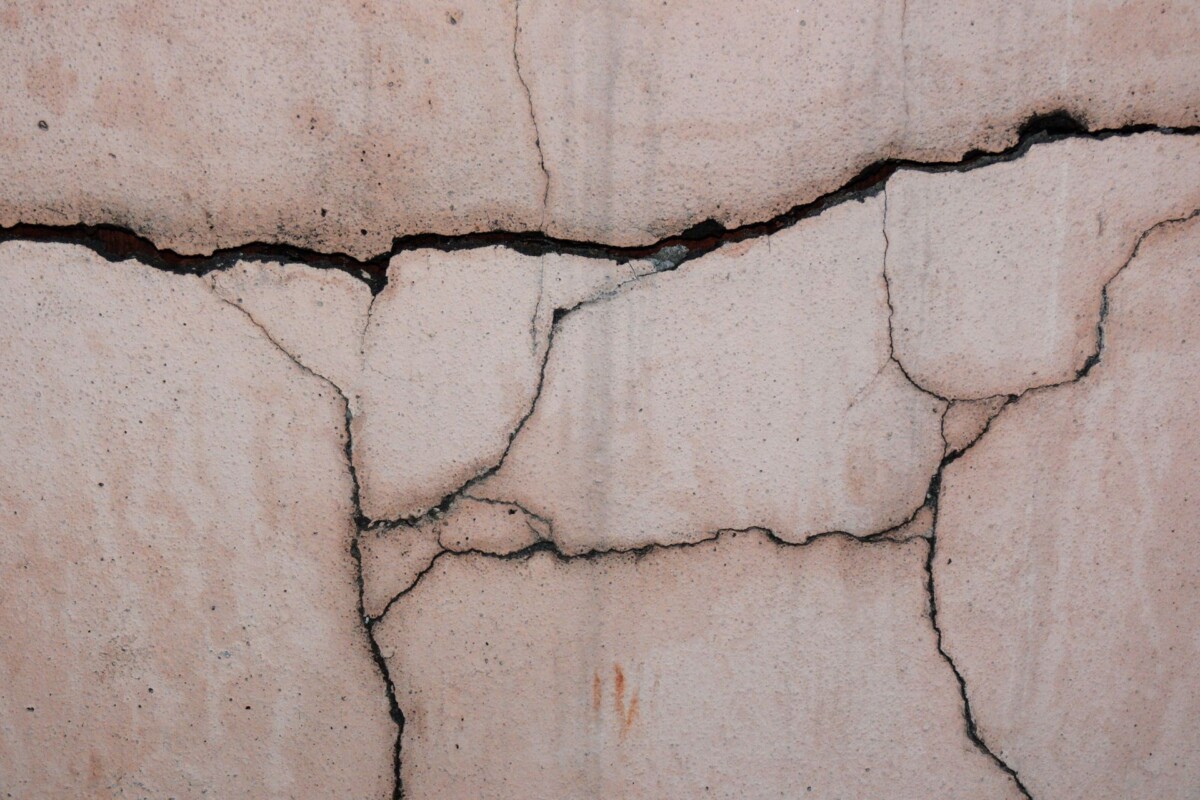
Take photos of any damage before you clean up, and contact your private insurer, which lodges the claim with the Natural Hazards Commission.
Be ready for the next one
The National Emergency Management Agency’s advice is to “Drop down on your hands and knees. Cover your head and neck. Hold on to your shelter.”
The agency recommends practising drop, cover and hold at least twice a year.
Canterbury Civil Defence warns, “Do not run outside. You risk getting hit by falling masonry and glass.” If you’re in bed when shaking starts, it advises staying there.
A late-night quake is a good prompt to check your emergency supplies, including water, food, a torch, a radio and spare batteries, and to make sure heavy furniture is secured to walls.
SPONSORED