
15th May 2026
Just weeks after announcing the end of one of Canterbury rugby’s most recognisable traditions, the Crusaders’ horses are back.
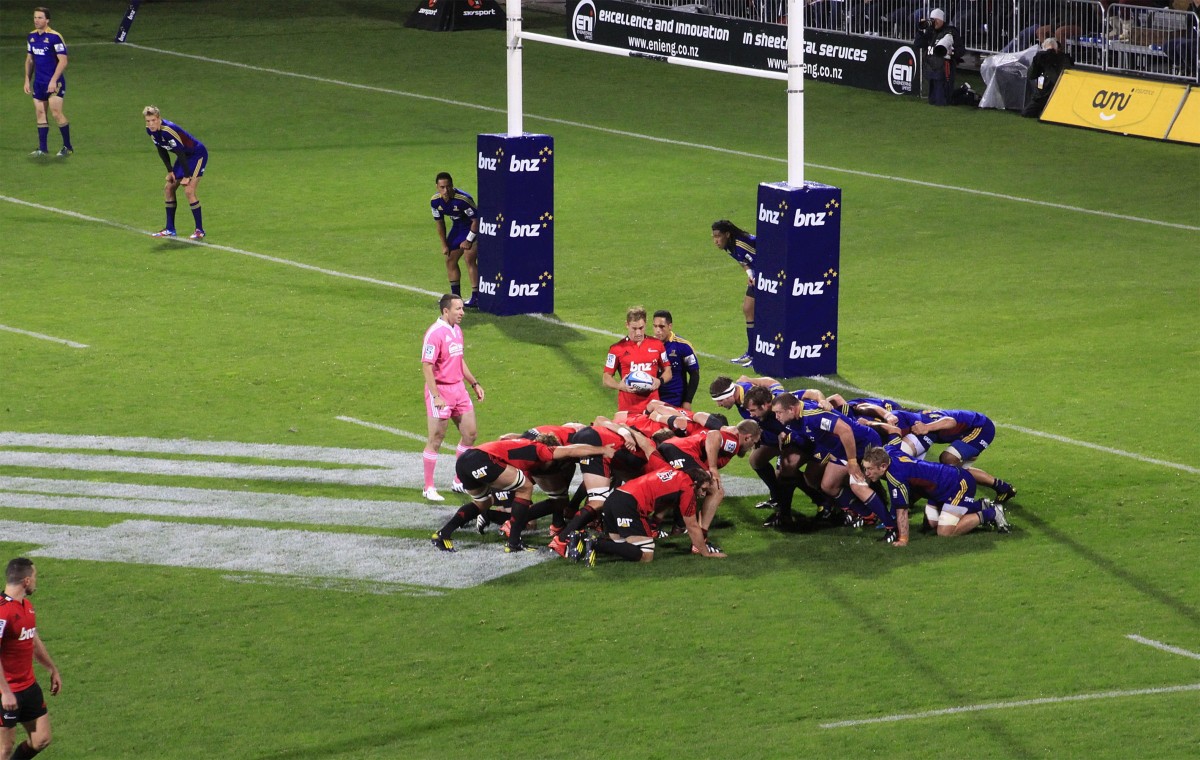
The dramatic turnaround follows a wave of public backlash, online debate and behind-the-scenes testing at Christchurch’s new One New Zealand Stadium at Te Kaha.
In April, the Crusaders confirmed the horses would be retired from matchdays, saying the tighter design of the covered stadium created safety concerns for riders, players and the playing surface.
The news was met with disappointment across Canterbury, where the pre-game charge of the horses has become deeply tied to the club’s identity over nearly three decades.
Fans pushed back quickly. Petitions circulated online, social media lit up with criticism, and Reddit threads questioning the decision gained traction among rugby supporters and Christchurch locals alike.
Now, after further testing and what the club described as “refining some processes”, the horses have officially returned to the matchday experience at Te Kaha.
The Crusaders said additional time allowed all parties to better assess the stadium environment and identify practical changes that could reduce the risks originally raised.
According to reports, operational adjustments were enough to satisfy safety concerns that had previously seemed insurmountable.
The reversal has been welcomed by many fans, particularly in Christchurch, where the horses carry symbolism beyond rugby itself.
Since 1996, the mounted riders have represented the six provincial unions that make up the Crusaders region, charging onto the field before home games as “Conquest of Paradise” plays through the stadium speakers.
For many supporters, losing the horses felt like losing part of the Crusaders’ soul during the move into the new stadium era.
The sudden U-turn has also fuelled speculation about whether the original issues were as severe as first suggested. Some online discussions claimed logistics and broadcast infrastructure may have contributed to the initial decision, although no official evidence has confirmed those rumours.
What is clear is that the public response mattered. In a city where sport and identity remain closely connected, the return of the horses feels like more than a simple operational change. For many Cantabrians, it is a sign that some traditions are still worth fighting for.
SPONSORED