
Environment Canterbury has published a guidance booklet for farmers on composting animal mortalities on-farm.
Industry partners and farmers encourage composting as an alternative to an offal pit. Senior farm plan advisor and composting project lead, Melissa Gillespie, said the guidance was born out of a clear need. She says interest in composting has increased in recent years.
“We’ve been hearing from farmers that the options for dealing with animal mortalities are increasingly limited. Offal pits can be problematic in terms of environmental impact, and there are fewer options available for getting carcasses taken away.”
Melissa said collaborating with farmers has been critical to bringing the composting management guidance together.
“This guidance is peer-to-peer, farmer-to-farmer. All the learnings and knowledge in the guidance have come from farmers who have experience with composting and have been testing our draft guidance over the last year,” she says.
“The response has been overwhelmingly positive – farmers are excited about it. Composting is a great solution, and it’s pretty straightforward to get going.”
Composting animal waste has a wide range of practical and environmental benefits for farmers. It combines waste management into a single, controlled system while reducing contaminant discharge and greenhouse gas emissions.
Compared with off-farm animal disposal, composting is significantly cheaper, accelerates the breakdown of animal carcasses, and produces a usable end product rather than a long-term liability.
“The main reason we started a compost pile was because it’s getting harder every year to get rid of dead stock, and we’re all about lessening our impact on the environment,” says Waimakariri dairy farmer Gavin Bay. “It’s actually not that hard.
“My best advice is to get good contractors to help set it up, and plan well where you’re going to put your pile. It’s a great method of getting rid of your dead stock, and it doesn’t take a huge area.”
The finished compost has clear on-farm value. When applied to land, it improves soil structure, increases moisture retention, and enhances nutrient availability. These gains support healthier soils and more resilient pasture systems, turning what was once a disposal problem into a productive input.
“Composting allows what would otherwise be waste material to be transformed into a valuable resource,” says senior science advisor for contaminated land and waste science, Jack Grinsted.
“Microorganisms break down organic material, including livestock mortalities, vegetation, manure, effluent, spoilt hay, old silage and bedding material (like woodchips, sawdust, and straw) into a valuable soil amendment.”
An offal pit is simply a hole in the ground used to dump animal carcasses and leave them to decompose. They are visually unpleasant, often emit strong odours, attract pests, and pose environmental risks.
Leachate from offal pits can seep into surrounding soil and potentially contaminate groundwater, creating long-term issues that are difficult to manage or reverse.
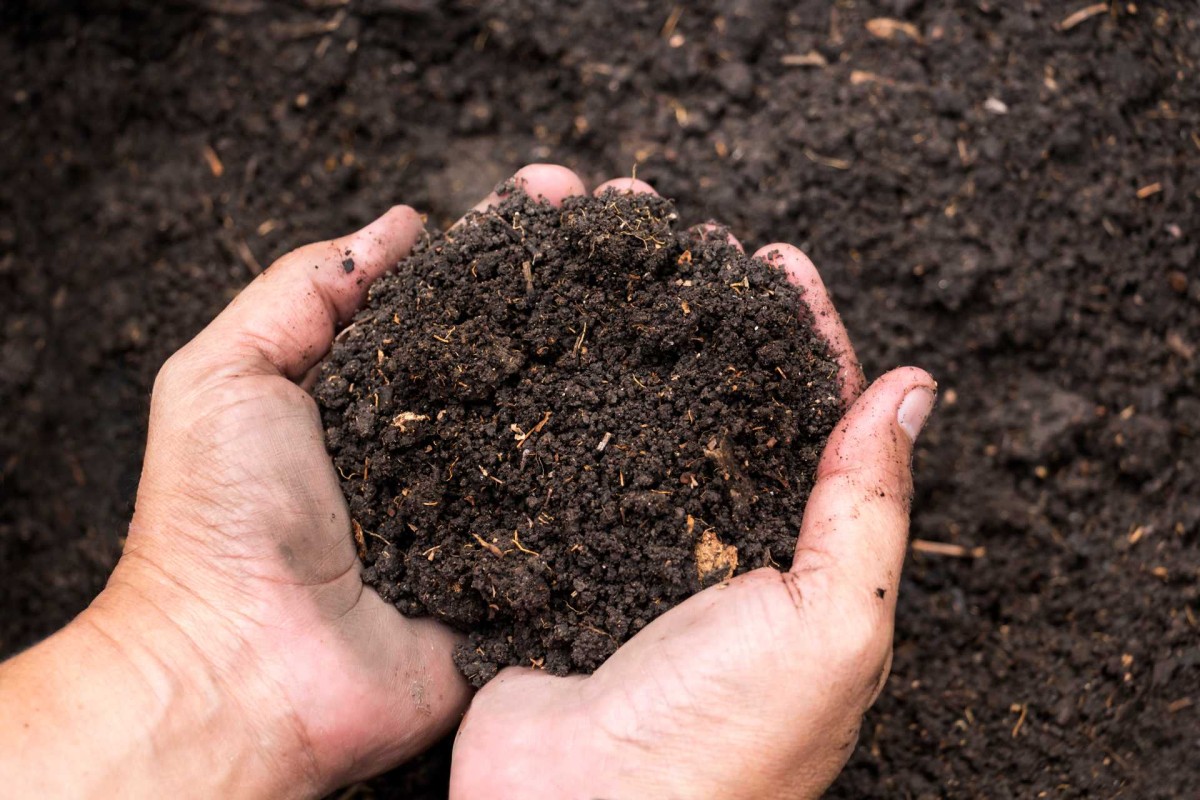
A compost pile, when properly built and maintained, sits above ground and should not leach. It resembles a mound of soil, with no visible carcasses and little to no offensive smell. The process substantially reduces environmental impact and ultimately delivers a valuable soil amendment.
In practical terms, composting replaces an unsightly, risky disposal method with a cleaner system that benefits both the farm and the land. Visit www.ecan.govt.nz for more information
SPONSORED