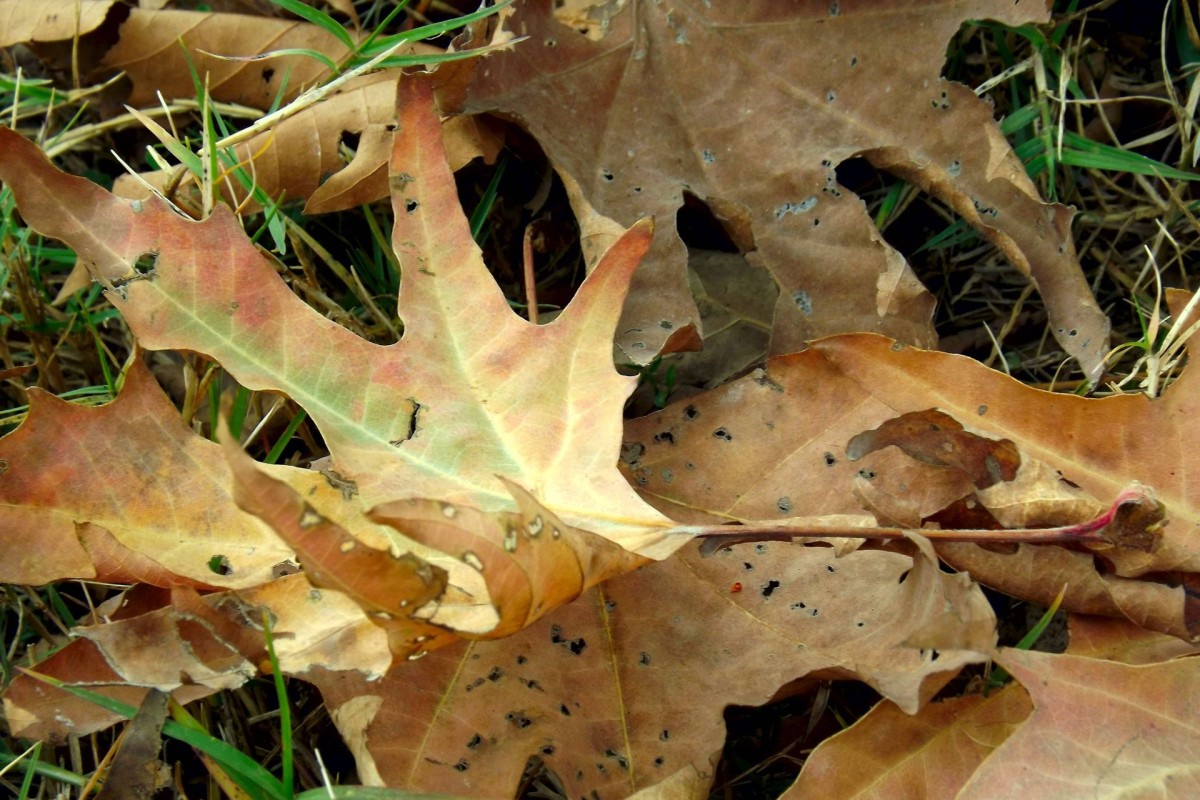

Keeping fallen leaves under control is a simple way to give your yard a cleaner, healthier look without hours of back‑breaking work. Here’s how to manage them effectively so your outdoor space stays inviting all year round, while also helping your local council keep streets clear and safe.
Instead of leaving leaves to pile up in one big autumn clean‑up, try a quick 10 to 15-minute tidy‑up whenever a fresh windfall appears. Rake or sweep paths, decks, lawns and kerb edges weekly so layers don’t compact and block light, drainage or storm‑water channels.
This also reduces the risk of clogged pipes and local flooding, which the Christchurch City Council highlights as a key concern during leaf season. The city’s mature deciduous trees typically shed their leaves from April until July. By staying on top of leaves, you make your yard safer and easier to maintain, with less effort over time.
“With 980 high leaf fall areas, this is one of our busiest times of year with contractors already on the ground making sure footpaths, sumps and gutters are clear,” City Streets Maintenance Manager Ged Clink said.
For small yards, a lightweight leaf rake or a leaf scoop makes collection quick and easy. On larger lawns, a mulching mower set to a higher deck height can chop leaves and return them to the turf as a light, nutrient‑rich layer. For driveways, paths and berms, a leaf blower or garden sweeper clears debris quickly and reduces strain on your back.
Using these tools regularly prevents leaves from building into thick mats that are harder and more expensive for contractors to remove. It also helps keep walkways slip‑free in wet weather, improving safety for you, your family and delivery or service workers.
“Please don’t wait for the crews to clear the leaves from the streets and then empty leaves from private gardens back into the road. This has a significant impact on our ability to clear other streets, and may result in it taking us longer to get back to those streets again.”
Instead of sending every leaf to the bin, consider using shredded leaves as mulch around trees, shrubs or garden beds. A thin layer suppresses weeds, helps retain moisture and gradually enriches the soil as it breaks down. Anything you can’t reuse can go into your green‑waste bin or council collection, following local leaf‑season guidelines.
“People can also help reduce build-up by clearing leaves from their berms and gardens and putting them in the green bin,” Clink said. “Or home gardeners can pile leaves on garden borders to break down, which makes great compost.”
By combining routine tidying, the right tools and a bit of creative reuse, you can keep leaves looking neat, protect your yard, and support a smoother, more efficient leaf‑season clean‑up for your whole neighbourhood.
SPONSORED