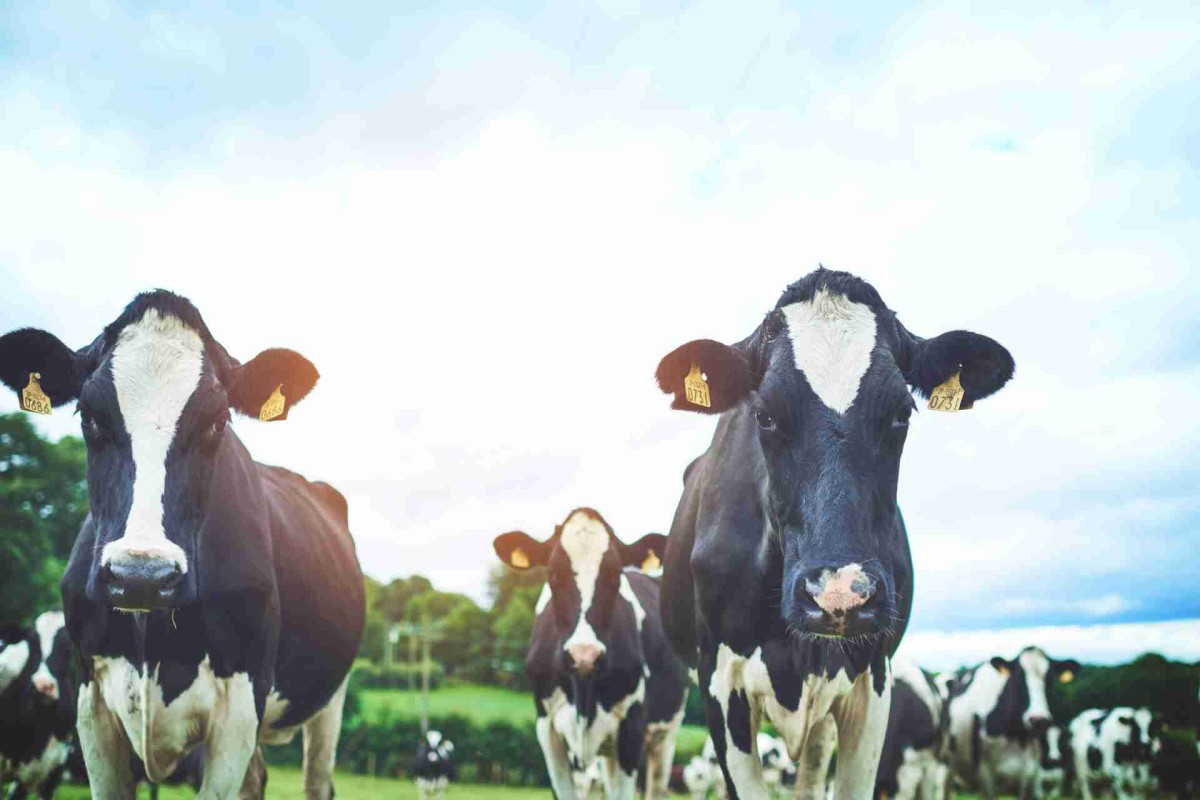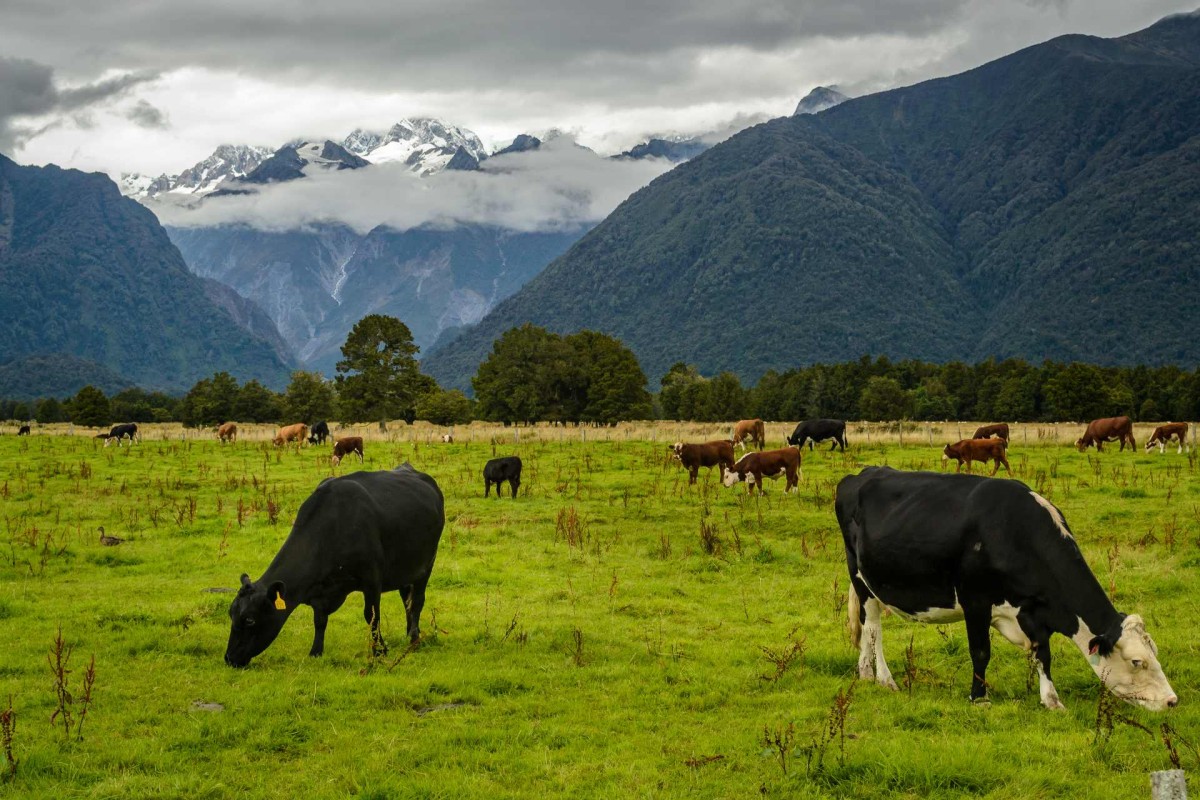

Biosecurity New Zealand has issued a warning after 70 Southland dairy calves died following exposure to antifreeze.
The case involved a group of 150 calves, aged three to four weeks, of which 70 died of ethylene glycol toxicosis over a two to three-week period.
The group of dairy calves died after a short period of illness marked by teeth grinding, bloated stomachs, lethargy and loss of appetite.
Post-death examinations revealed fluid accumulation in the stomach, chest and around the kidneys, as well as kidney crystals and evidence of severe renal failure.
While similar crystals can occasionally be linked to the ingestion of certain toxic plants, investigators found none present on the farm.
Biosecurity New Zealand’s latest biosecurity surveillance report, covering July to September 2025, also outlined a second suspected antifreeze poisoning case.
In the Riversdale case, the affected calves showed symptoms such as lethargy, fever, laboured breathing, swollen limbs, and fluid build-up in the chest. Post-mortem examinations revealed severe kidney swelling, fluid around the lungs and abdomen, and acute renal failure.
Common infectious diseases were ruled out, and further testing identified crystals in the kidneys consistent with exposure to ethylene glycol, a compound commonly found in antifreeze products.
Ministry for Primary Industries investigators were unable to determine the precise source of the toxin in either case. However, the survival and good health of subsequent batches of calves suggested the contaminant was no longer present.
The report notes that ethylene glycol may be inadvertently introduced to calves through several pathways, including contamination of milk cooling systems, improper storage or handling of antifreeze products, or contaminated feed such as hay.
Biosecurity New Zealand said the cases show how vulnerable young calves are to toxic exposures. Work includes blood chemistry testing, toxicology screening and feed analysis to confirm diagnoses and identify contamination sources continues.
Farmers are being urged to review antifreeze storage and handling practices and to ensure milk and feed systems are protected from contamination, particularly during calving season.
The report also highlighted the need for collaboration between private veterinarians, diagnostic pathologists, MPI investigators and academic experts to narrow down the possibilities.
SPONSORED