
Seven years of Farm Environment Plan (FEP) audit data is providing clear evidence that Canterbury farmers are making meaningful and measurable progress on environmental performance.
Introduced under the Canterbury Land and Water Regional Plan (LWRP), FEP audits were designed to ensure on-farm practices appropriately manage risks to water quality while protecting mahinga kai (customary food gathering) values. The latest regional data shows the programme is delivering tangible results.
Since 2017, the proportion of Canterbury farms achieving an A grade has climbed dramatically, from just 14% to 77% in the 2024–25 reporting period. During the same timeframe, lower-performing C and D grades have dropped from 12% of farms to only 2%.
The long-term trend points not to short-term compliance, but to sustained behavioural and management change across the region.
Selwyn is leading the way
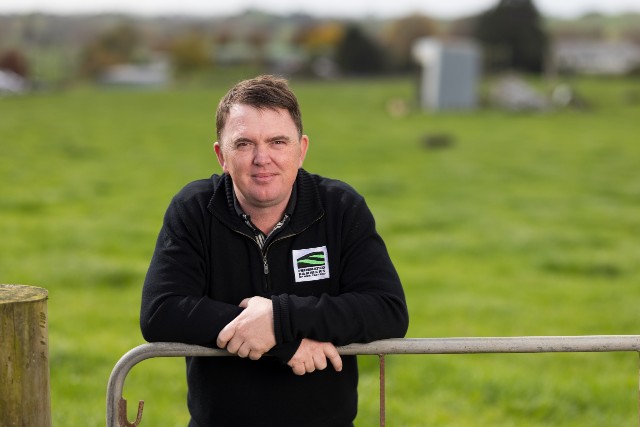
The latest results were presented to the Lower Selwyn catchment’s Eastern Plains Land User Group (EPLUG) by environmental advisor and Agri Intel Director Charlotte Senior, alongside FEP programme manager Melissa Gillespie.
Sharing the data locally reinforced an important message: farmer effort is translating into real, measurable improvement.
“It can make you wonder if it’s all worth it when you’re tied up in paperwork or facing the cost of an audit,” Charlotte told the group. “But it absolutely is.”
“Direction is more important than speed, and the FEP data shows farmers are heading in the right direction.”
Selwyn district has outperformed the wider Canterbury average by around 10%. That lead is largely attributed to the district’s early adoption of FEP audits in 2017, when they became mandatory under consent conditions, while other parts of Canterbury implemented the programme two to three years later.
“Both Canterbury and Selwyn have lifted significantly, but Selwyn led the way — A grades are now the norm, and C and D grades are almost gone,” Charlotte said.
Groundwater trends reinforce on-farm progress
Encouragingly, improvements in audit performance are being mirrored in environmental monitoring data.
Central Plains Water Limited (CPWL) reports that nitrate concentrations have been trending downward in most monitored wells over the past five years. Independent analysis by Lincoln Agritech indicates that 60% of CPWL wells show clear improvement over that period.
“The good news is the groundwater data backs up what we’re seeing on farm. It’s not a coincidence. Farmers are making changes, sticking with them, and over time those improvements are adding up.”
The alignment between audit grades and groundwater trends provides growing confidence that Good Management Practice (GMP) is delivering outcomes beyond compliance.
Irrigation management is a standout success
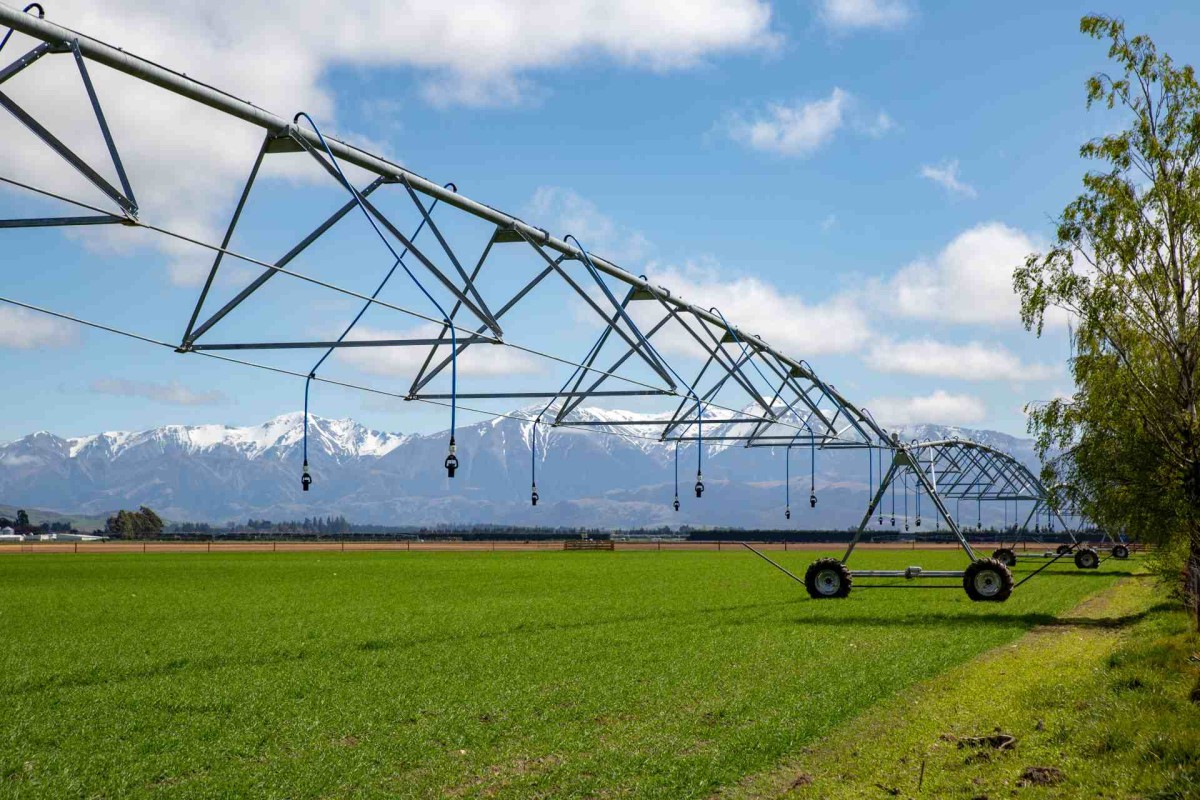
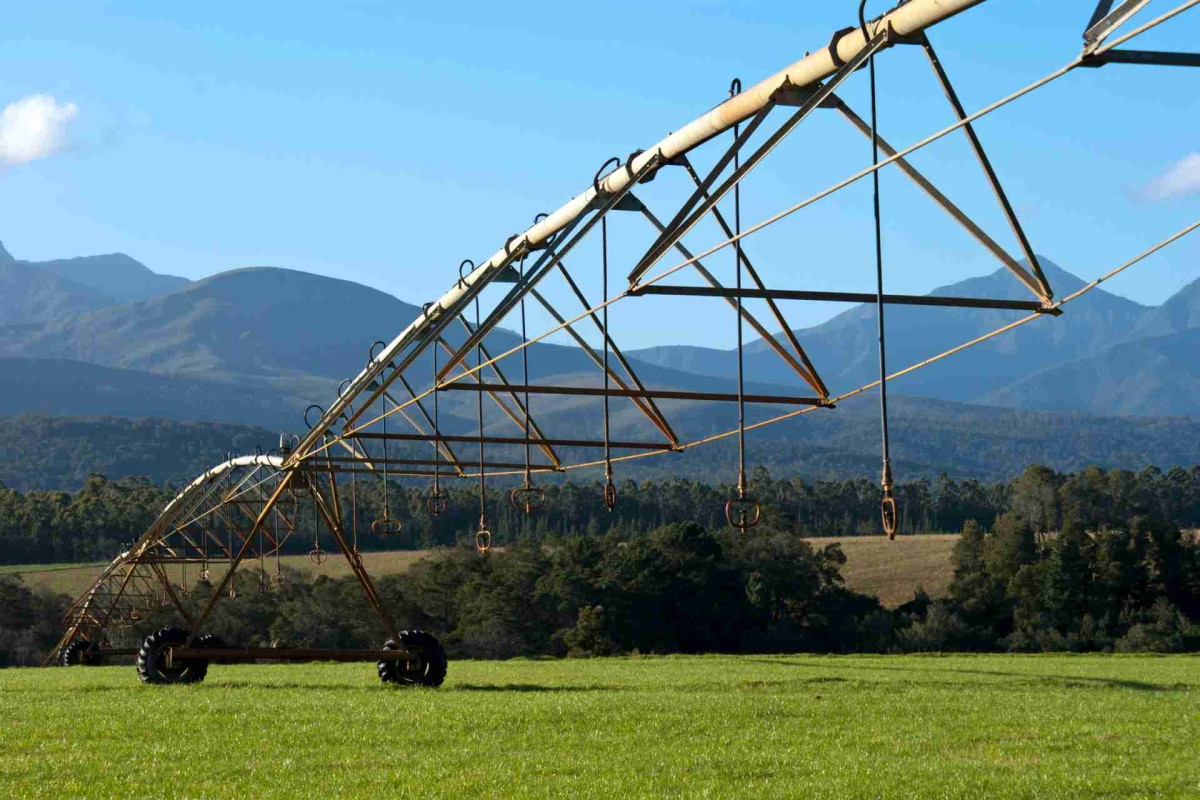
Irrigation management was highlighted as one of the most improved areas of farm practice. While irrigation remains the second most common area for identified issues after effluent management, there has been notable progress in both efficiency and compliance.
“It’s actually a real success story,” Charlotte said. “Farmers are increasingly using their data to inform decisions, rather than just installing technology and not reviewing the numbers.”
Better monitoring, soil moisture tools and more disciplined irrigation scheduling are all contributing to reduced nutrient loss risk.
A more structured and consistent framework
Since 2021, the FEP framework has become more structured and legally robust, supported by formalised guidance documents designed to improve audit consistency and defensibility.
“Over the past five years we’ve seen a significant shift in how Good Management Practice is interpreted and applied,” Melissa said.
Charlotte described the programme as a “living framework” that has evolved through industry input and practical experience. “Guidelines have tightened and there’s been strong collaboration with industry along the way. That’s improved clarity for farmers and consistency for auditors. From an auditor’s perspective, everyone is now working from the same playbook.”
Navigating uncertainty and future change
While the data is positive, ongoing reforms to resource management and freshwater policy are creating uncertainty for landowners.
The next anticipated step for Canterbury is the rollout of Freshwater Farm Plans (FWFPs), although timing remains unclear.
“It’s important to remember that FWFPs have not yet been rolled out here,” Melissa said. “Until they are, farms remain subject to FEP requirements under their consent conditions — and those obligations continue for the duration of those consents.”
The advice to farmers is simple: stay focused on current requirements and maintain momentum.
Keeping progress front of mind
For farmers looking to move beyond baseline GMP requirements, additional trial frameworks are available. However, the core focus of the FEP programme remains consistent risk management across all farms.
Charlotte encouraged farmers to actively document their improvements. “Recording progress can be incredibly powerful — simple photo points, before-and-after shots, or notes in your FEP help tell the story of change over time.”
While regulatory settings may evolve, the fundamentals will remain: understanding risk pathways, collecting evidence, maintaining records, improving efficiency and demonstrating environmental outcomes.
“We value and commend the work farmers are doing,” Charlotte said.
“The data is showing it. The water is showing it. The progress across the Selwyn catchment and wider Canterbury is something the farming community can be genuinely proud of.”
SPONSORED