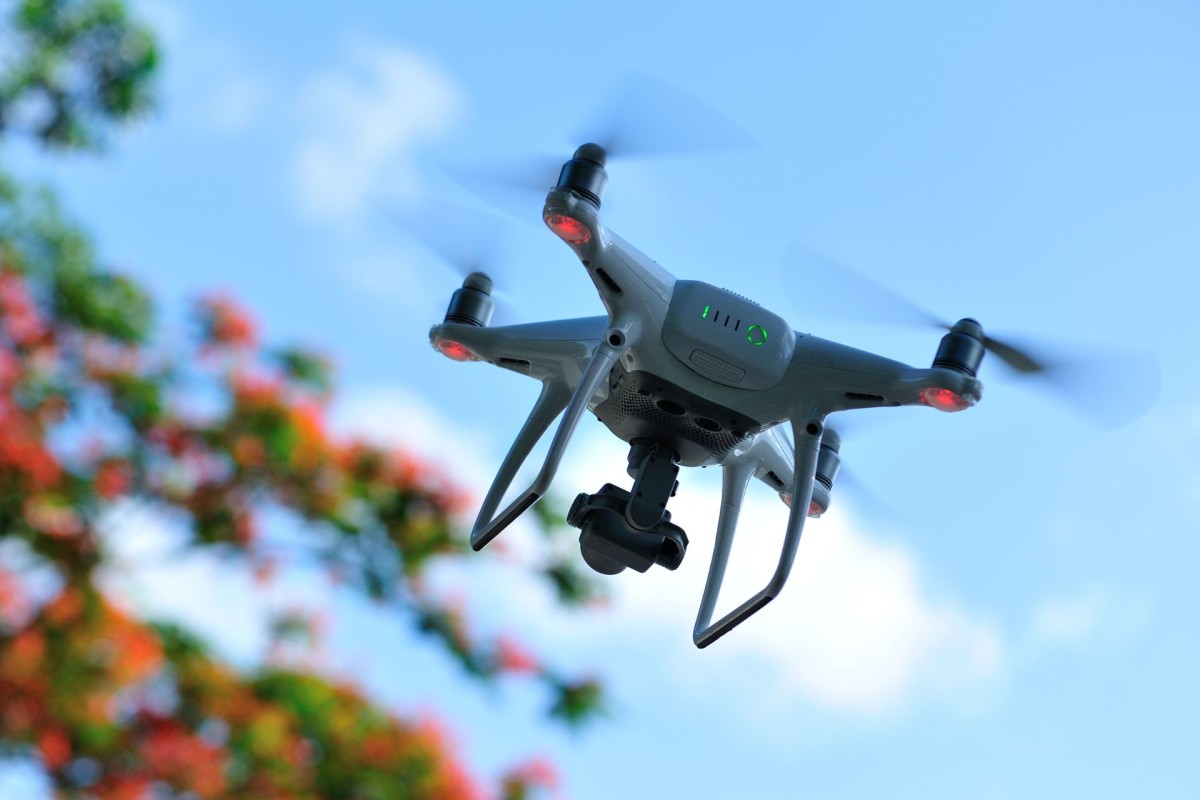

It’s a question more Canterbury homeowners are asking as drones become a common sight overhead, whether flown by hobbyists, real estate agents photographing a neighbouring property, or delivery services testing new routes. The short answer is yes, in many cases, but not without limits.
There is no blanket rule banning drones from flying over private property in New Zealand. Airspace above a property isn’t treated the same as the land itself, so a drone passing overhead isn’t automatically trespassing simply by being there.
That said, operators are required to avoid flying over people, moving vehicles or private property in a way that creates risk or disturbance, and must always be able to land safely without endangering people or property below. A drone hovering low over a backyard, repeatedly circling a house, or lingering above a property is treated very differently to one briefly transiting through on its way somewhere else.
Consent becomes important once a drone is doing more than just passing overhead. If an operator wants to fly low, land, take off, or hover for any length of time above someone’s property, they generally need permission from the property owner or occupier first.
Privacy law adds another layer homeowners can lean on. If a drone is being used to film or photograph people on their property without consent, particularly in a way that could be considered intrusive, that can trigger a complaint under the Privacy Act regardless of whether the flight path itself was technically legal.
This is often the more practical concern for homeowners than the flight itself. Most complaints about drones near private homes relate less to airspace and more to the camera pointed at a backyard, a pool, or windows.
Noise and nuisance also factor in, particularly as drone use increases in residential neighbourhoods. Some councils have begun fielding complaints on this basis and are considering local bylaws to manage where and when drones can be flown near homes, parks and reserves.
If a drone is genuinely causing a nuisance, invading privacy, or being flown recklessly overhead, homeowners do have options. A complaint can be made to the Civil Aviation Authority, which has the power to investigate and, in serious cases, issue infringement notices or pursue prosecution.
Recording the incident, including timestamps and, where possible, identifying details of the drone or operator, can help substantiate a complaint if the behaviour continues.
For most Canterbury homeowners, a stray drone briefly overhead isn’t cause for alarm. But repeated flights, hovering, filming, or anything that feels targeted rather than incidental is worth raising, both with the operator directly if known, and with the Civil Aviation Authority if the behaviour doesn’t stop.
SPONSORED