
The Greens have put synthetic nitrogen fertiliser back in the election-year conversation, releasing a freshwater policy that would phase it out entirely and tighten New Zealand’s drinking water nitrate standard closer to Denmark’s, one of the strictest in the world.
Co-leader Marama Davidson framed the package as a stand against the “harm caused by corporate greed,” arguing current settings have left rivers unswimmable and drinking water unsafe in parts of the country.
But would international history repeat? When people reach for a cautionary tale on fertiliser policy, they often point to Sri Lanka, which banned synthetic fertiliser and pesticide imports overnight in 2021 in a bid to become the world’s first fully organic farming nation, with almost no transition period or support for farmers to adjust.
The fallout has been studied extensively since. Rice, vegetable and tea production all fell, hitting tea exports hard at a moment when the country’s finances were already fragile, while food prices at home climbed as local production dropped and imports rose to cover the shortfall.
Most economists don’t blame the ban alone for Sri Lanka’s subsequent economic crisis as heavy foreign debt, a pandemic-gutted tourism sector and dwindling reserves were already in play. But researchers broadly agree the policy made those problems considerably worse. The takeaway most draw isn’t that cutting synthetic fertiliser is inherently reckless, but that doing it fast, without workable alternatives in place, is where the real risk sits.
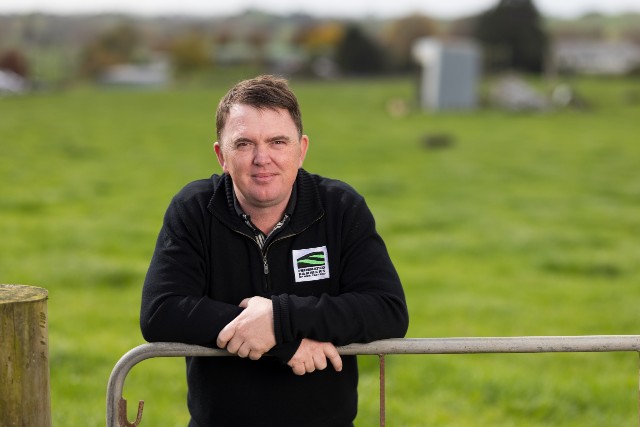
That distinction is exactly what’s being tested here. Unlike Sri Lanka’s abrupt ban, the Greens frame theirs as a phase-out rather than immediate prohibition. Even so, the reaction has been sharp. Federated Farmers freshwater spokesperson Mark Hooper accused the Greens of “putting politics ahead of practicality and science,” arguing that if the Ministry of Health’s advice on nitrates and cancer risk hasn’t changed, neither should the standard, and that rushing ahead risks “creating confusion and panic in rural communities.”
Hooper cites modelling suggesting global food production would fall by roughly 50% without modern fertilisers, and with agriculture responsible for more than 60% of New Zealand’s exports, argues removing synthetic nitrogen “would be economic suicide.” Federated Farmers has also leaned on a 2024 NZIER study finding tougher nitrogen regulation could push the price of a single head of broccoli as high as $9. West Coast president Simon Cameron told Newstalk ZB the sector has “come a very, very long way” on water quality already, estimating a phase-out would cut production by at least 25%. National’s Todd McClay described the policy, paired with Labour’s broader settings, as reigniting a “war on farmers”.
Davidson isn’t backing down, saying the Greens would “never apologise” for putting environmental health first. Agriculture spokesperson Steve Abel has made a similar values-based case in Parliament, arguing swimmable rivers can’t be delivered by prioritising private property rights over collective outcomes. Greenpeace thinks the Greens haven’t gone far enough, freshwater campaigner Will Appelbe says Canterbury and Southland are already gripped by a nitrate crisis, and has pushed Labour to adopt the Greens’ position rather than soften it.
That ask exposes a real fault line on the left. Labour leader Chris Hipkins has ruled out cutting herd numbers, saying farmers should instead get more efficient rather than smaller. That leaves the Greens without their most likely coalition partner locked in on the policy’s most contentious element, a gap National has been quick to call evidence the plan is electioneering rather than realistic government policy.
Strip away the rhetoric, and the global evidence sits in genuine tension. Synthetic fertiliser’s role in food security is hard to overstate, most trace today’s food system to the mid-20th-century Green Revolution, and estimates suggest roughly half of current global food production depends on synthetic nitrogen directly or indirectly. But current usage isn’t cost-free: excess nitrogen application is a well-established driver of waterway pollution, emissions and ecosystem decline. Where most agricultural scientists part ways with an outright ban is on the solution, generally favouring improved fertiliser efficiency, precision agriculture and cover crops over elimination.
National, meanwhile, is betting on a different fix entirely, replacing the Resource Management Act with a faster consenting system rather than restricting farm inputs. McClay argues the environment and economy can be managed together without new restrictions, betting regulatory reform beats a fertiliser phase-out as the path to cleaner water.
Sri Lanka’s experience doesn’t offer New Zealand a ready-made blueprint as the two countries’ farming systems, economies and starting points are too different for a direct read-across. But it does leave a lesson worth taking seriously regardless of which side of this debate you’re on: the fight over New Zealand’s fertiliser policy isn’t really science versus politics, or farmers versus the environment. It’s a question of sequencing whether the country builds the alternatives before it removes the tool, or finds out the hard way what happens when it doesn’t.
SPONSORED