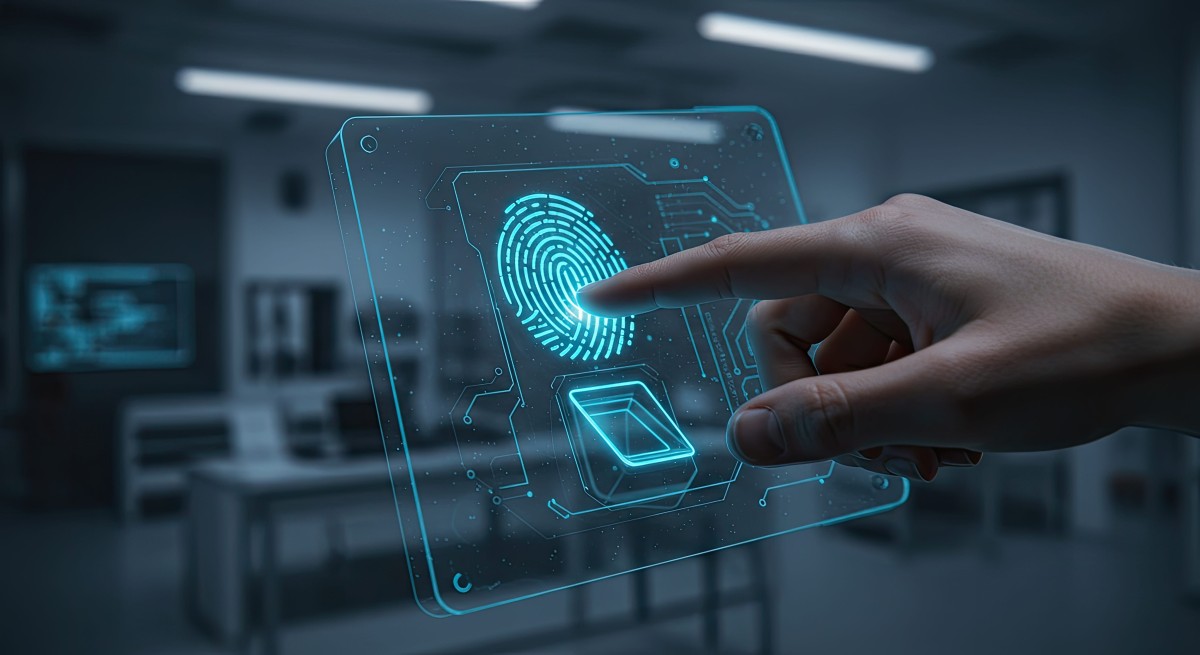

A driver pulls out their phone instead of a wallet. A bar staff member scans a screen instead of a plastic card. A student verifies their age online in seconds. Identification isn’t free from the digital future. The way people prove who they are is quickly changing. Supporters say it is about convenience and modernisation. Critics argue the discourse hasn’t kept pace with technology itself.
A digital licence stored on a phone wallet could be scanned in seconds, with verification happening through encrypted government systems rather than physical inspection.
This month, legislation enabling digital driver licences passed its third reading in Parliament. The Government says digital licences will remain optional and are intended to modernise outdated transport systems by allowing electronic alternatives to physical cards and paper documents.
Alongside this, the Government has also been developing broader digital identity infrastructure. New Zealand’s Digital Identity Services Trust Framework has already accredited organisations to provide secure digital identity services, with officials describing the system as a way to improve trust, privacy, and interoperability between agencies and businesses.
But the expansion of digital ID systems has also triggered growing public concern. Debate intensified after comments from Education Minister Erica Stanford confirming universal age verification measures are coming to New Zealand. Free speech and privacy advocates argue there has been little public consultation about how such systems would operate or how much information users may eventually need to share online.
Much of the concern centres on what critics call ‘function creep’, where systems designed for a single purpose slowly expand into broader requirements—turning optional tools into gateways for access. Some fear digital IDs could eventually become necessary for accessing websites, social media, or public services, even if current plans are narrower in scope.
And this conversation isn’t unique to New Zealand. Governments around the world are exploring digital identity systems as more services move online. Advocates argue they can reduce fraud, improve access to services, and simplify everyday tasks. Opponents counter that strong privacy protections, transparency, and public oversight must come first.
The debate persists. Some New Zealanders see digital IDs as a practical upgrade similar to mobile banking or digital boarding passes. Others worry about cybersecurity risks, surveillance, and the possibility of personal data being centralised. As identity systems move deeper into everyday life, the real challenge may be ensuring they remain optional in practice as well as in policy.
SPONSORED