
30th April 2026
Solo travel is no longer a niche segment—it’s becoming one of the most influential forces shaping global tourism, and New Zealand is well-positioned to benefit.
New data from Explore’s latest Solo Travel Trends Report shows a 33% increase in solo travel bookings over the past year, alongside more than 40,500 monthly Google searches and 1.9 million TikTok posts tagged #solotravel. The figures point to a structural shift in how—and why—people travel, with independence, flexibility and personal experience now front of mind.
For New Zealand’s tourism industry, the implications are significant: the country ranks ninth globally among the most searched solo travel destinations for 2026 and is also one of the fastest-growing.
A strong global position with room to grow
While Japan tops the rankings with more than 67,000 annual solo travel searches, New Zealand’s inclusion in the top 10 places it alongside some of the world’s most sought-after destinations.
The top 10 countries for solo travel in 2026:
Japan – 67,600
Thailand – 51,900
India – 42,800
Vietnam – 22,900
Italy – 19,420
Australia – 18,100
Costa Rica – 16,200
Ireland – 15,480
New Zealand – 15,300
Portugal – 14,840
Australia and New Zealand stand out as the only Oceania destinations in the top tier, reflecting their global appeal for safety, accessibility and natural beauty—key considerations for solo travellers.
Growth momentum signals opportunity
More compelling for New Zealand is its growth trajectory. The country ranks third globally among the fastest-growing solo travel destinations, with a 90% year-on-year increase in search interest.
The top 10 trending solo travel destinations:
Iceland – 181%
Oman – 133%
New Zealand – 90%
Slovenia – 80%
Kyrgyzstan – 67%
Bolivia – 67%
Kazakhstan – 67%
China – 50%
Cyprus – 50%
Poland – 40%
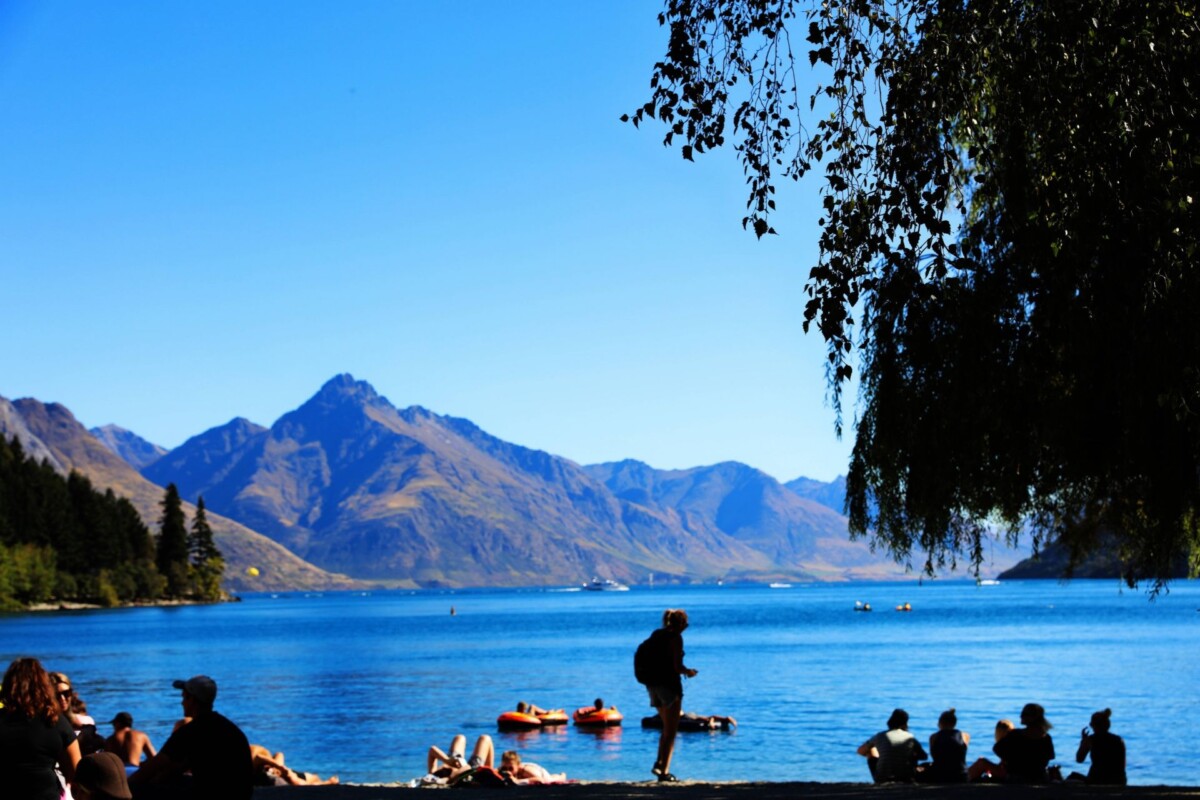
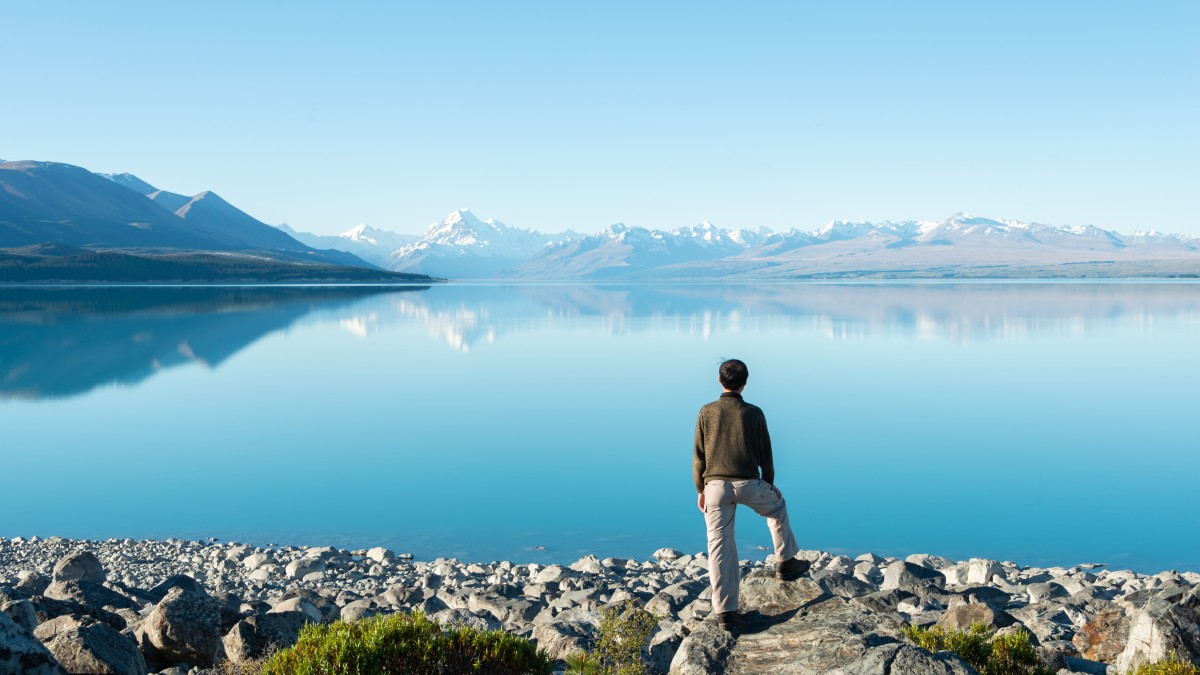
This surge aligns with a broader shift toward nature-based and “off the beaten track” travel, an area where New Zealand holds a strong competitive advantage. Its landscapes, infrastructure, and reputation for safety make it particularly attractive to independent travellers seeking both adventure and ease of navigation.
Beyond adventure: A diverse market
Contrary to common assumptions, solo travellers are not solely driven by adrenaline-fuelled experiences. The data reveals a broad spectrum of motivations:
48% are looking for beach breaks or relaxation-focused travel,
47% are drawn to city exploration and urban energy,
33% are interested in road trips, favoring freedom and flexibility,
24% want active adventures like hiking, diving, or trekking,
20% are seeking wellness-focused retreats with yoga, meditation, or spa experiences.
For New Zealand businesses, this diversity presents an opportunity to expand beyond traditional adventure tourism and cater to wellness, luxury, and urban solo experiences.
Industry perspective
Laura Dewar, Senior PR and Communications Manager at Explore, says deeper shifts in travel behaviour are driving the growth:
“Solo travel has a huge pull for those looking to travel at their own pace, seeking more flexibility, independence, and immersive experiences.
“Over the past year, we have seen a 33% rise in bookings for solo travellers among our customers. With more people sharing their solo travel stories online, 2026 could be the biggest year yet for going it alone.
“Japan’s position at the top is no surprise; it’s a place renowned for its safety and welcoming culture, which is key for those travelling alone, especially first-timers. Thailand and India continue to appeal to solo travellers with the countries’ culture, affordability and vibrant social atmospheres.”
What it means for New Zealand
New Zealand’s dual position, as both a top 10 destination and a top three growth market, signals a valuable window for the tourism sector.
To capitalise, operators may need to:
Develop tailored solo-friendly packages and pricing structures,
Enhance digital storytelling to align with social media-driven discovery,
Invest in safety messaging and infrastructure,
Expand offerings in wellness, culture, and slow travel.
As solo travel continues its upward trajectory, New Zealand is not just part of the trend—it is increasingly one of its key beneficiaries.
SPONSORED