
24th April 2026
ANZAC Day, observed each year on 25 April, remains one of New Zealand’s most significant national days of remembrance.
It honours those who served and died in wars, particularly the First World War Gallipoli campaign, and has grown into a nationwide tradition marked by dawn services, civic parades, and community gatherings in towns and cities across the country.
In 2026, services will once again take place in almost every corner of New Zealand, ensuring that wherever people are, there is an opportunity to take part in remembrance.
The day typically begins with dawn services held around 6am, which remain the most solemn and widely attended commemorations.
These services follow a consistent structure nationwide, including the catafalque guard, readings, the Last Post, a minute of silence, and the laying of wreaths, followed by the national anthem and reflection.
Later in the morning, civic parades and community services continue in many centres, often involving veterans, serving Defence Force personnel, schools, cadets, and local organisations.
The overall format is designed to be accessible and inclusive, allowing participation across generations and backgrounds.
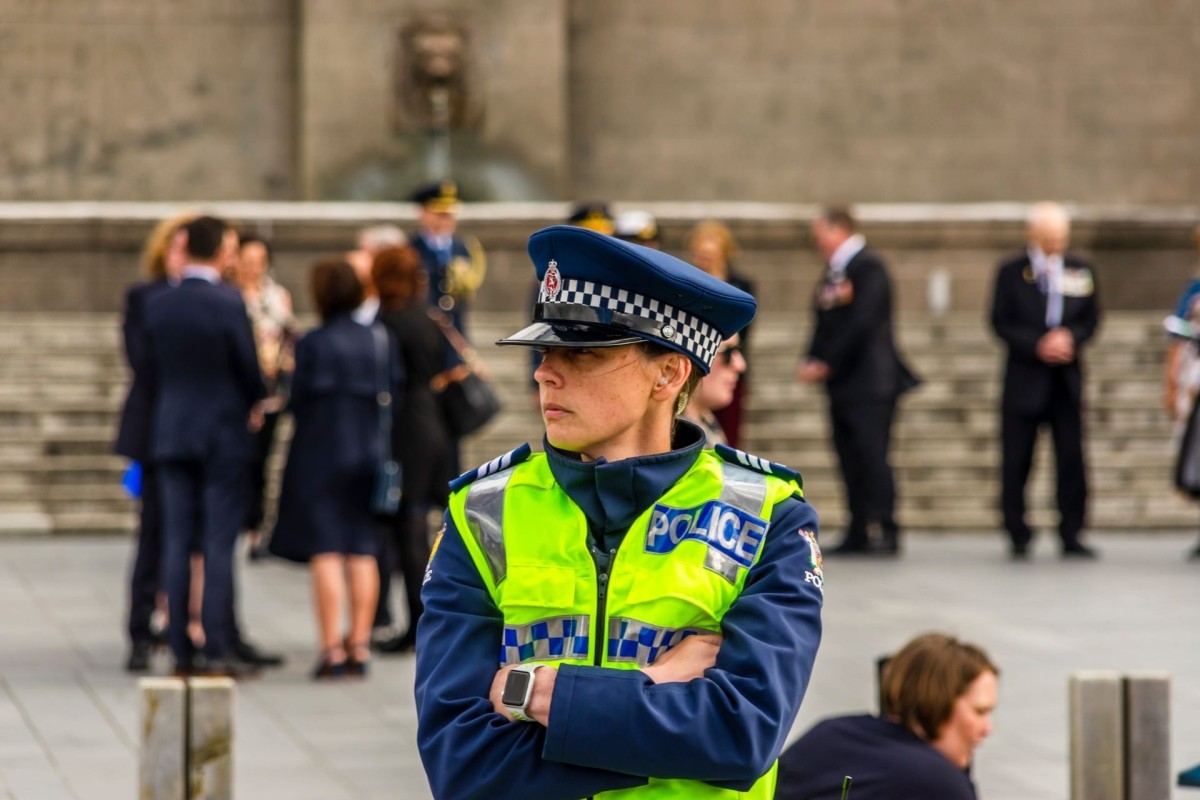
In Christchurch, one of the largest South Island commemorations takes place in Cathedral Square at the Citizens’ War Memorial, where the dawn service typically begins shortly after 6am and draws large crowds from across Canterbury.
Veterans traditionally assemble beforehand and march into the square as part of the formal ceremony, supported by military presence, music, and civic representation.
Across the wider city and Banks Peninsula, smaller local services are also held throughout the morning in suburbs and townships such as Riccarton, New Brighton, Lyttelton, Sumner, Halswell, Ilam, and Akaroa, each with its own community focus and often followed by informal gatherings or morning tea at local RSA venues.
Wellington hosts the national ANZAC Day commemorations at Pukeahu National War Memorial Park, where the official dawn service is followed later in the morning by a national civic ceremony.
This event brings together government leaders, Defence Force representatives, veterans, and invited guests, and is widely broadcast across television, radio, and online platforms.
As the country’s central commemorative event, it reflects the national scale and significance of ANZAC Day in New Zealand’s civic calendar.
In Auckland and other major North Island centres, services are similarly widespread, with the main city commemoration held at the Auckland War Memorial Museum Cenotaph in the Domain.
This dawn service is typically one of the largest in the country, followed by additional suburban services throughout the morning in places such as Devonport, Papakura, and Mt Roskill.
Smaller towns and rural communities across the North Island also hold their own memorials, often centred around local cenotaphs, RSA clubs, churches, or school grounds.
No matter the location, most communities in New Zealand will have at least one ANZAC Day service within close reach.
These regional and rural ceremonies are often more intimate but follow the same formal structure, with many including a short civic parade or shared community breakfast afterwards, commonly known as a “gunfire breakfast.”
Even the smallest settlements typically ensure that residents can gather locally to remember those who served.
For those attending, it is generally recommended to arrive well before the start time, particularly for dawn services where crowds can build quickly and parking restrictions are common in major centres. Warm clothing is essential due to early morning temperatures, and respectful dress is expected.
During the service, participants are expected to stand for the Last Post and national anthem, observe silence during the minute of remembrance, and follow the guidance of organisers and RSA marshals.
For those unable to attend in person, most major services are broadcast live through national television, radio, and online platforms, allowing people across the country to take part in the commemorations from home.
ANZAC Day continues to hold a unique place in New Zealand’s national identity. Whether in a major city or a rural township, the day ensures that remembrance is shared collectively, connecting communities through reflection, ceremony, and a continued acknowledgement of sacrifice.
SPONSORED