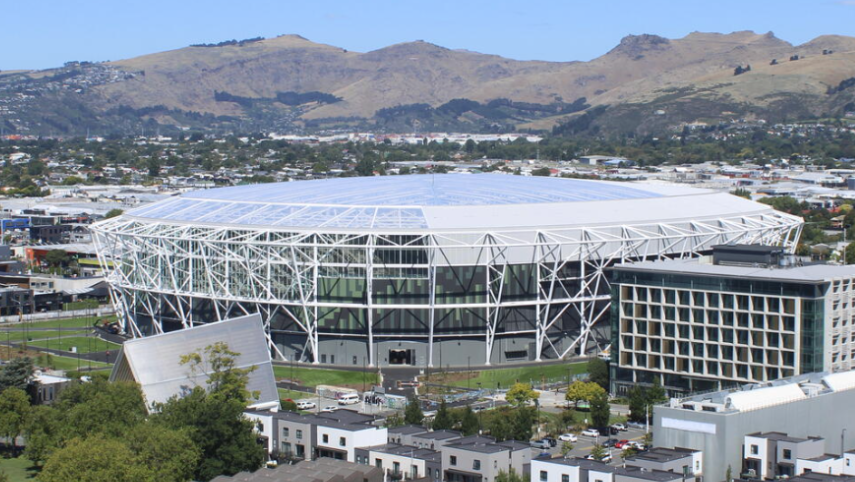

Christchurch’s long-awaited One New Zealand Stadium at Te Kaha is far more than a venue for sport and entertainment; it is a cornerstone investment in the city’s economic future. As the largest infrastructure project ever undertaken by Christchurch City Council, the $683 million development represents a bold commitment to revitalising the central city, attracting visitors, and stimulating sustained economic growth in the decades ahead.
As Christchurch Mayor Phil Mauger noted: “Christchurch has a real sense of momentum about it, and the Te Kaha Project has played an important role in the long journey of the city’s rebuild”. That sense of momentum is not just symbolic; it is backed by strong economic projections and tangible benefits already flowing through the region.
The fully covered, multi-use stadium is expected to deliver substantial financial returns, with projections indicating at least $400 million in economic impact over its first 25 years. An estimate that may ultimately prove conservative as demand grows. Designed as a multi-purpose venue, Te Kaha is positioned to become a powerful economic engine for Christchurch and the wider Canterbury region.
A major driver of tourism and visitor spendin
One of the most immediate economic benefits of the stadium will be its ability to attract visitors at scale. With expectations of more than 500,000 attendees annually across a calendar of 200-plus events, Te Kaha will significantly increase visitor numbers to the city.
Major sporting fixtures, concerts, and entertainment events will draw crowds from across New Zealand and overseas, delivering a steady stream of spending into the local economy. Hospitality providers, accommodation operators, transport services, and retailers all stand to benefit.
Economic projections suggest the stadium could contribute around $50 million annually in tourism and hospitality spending. Its central location being, “Just a stone’s throw from some of the best hospitality and retail spots Christchurch has to offer,” Mayor Mauger says this will ensure that event-day activity flows directly into surrounding businesses.
Revitalising the central city economy
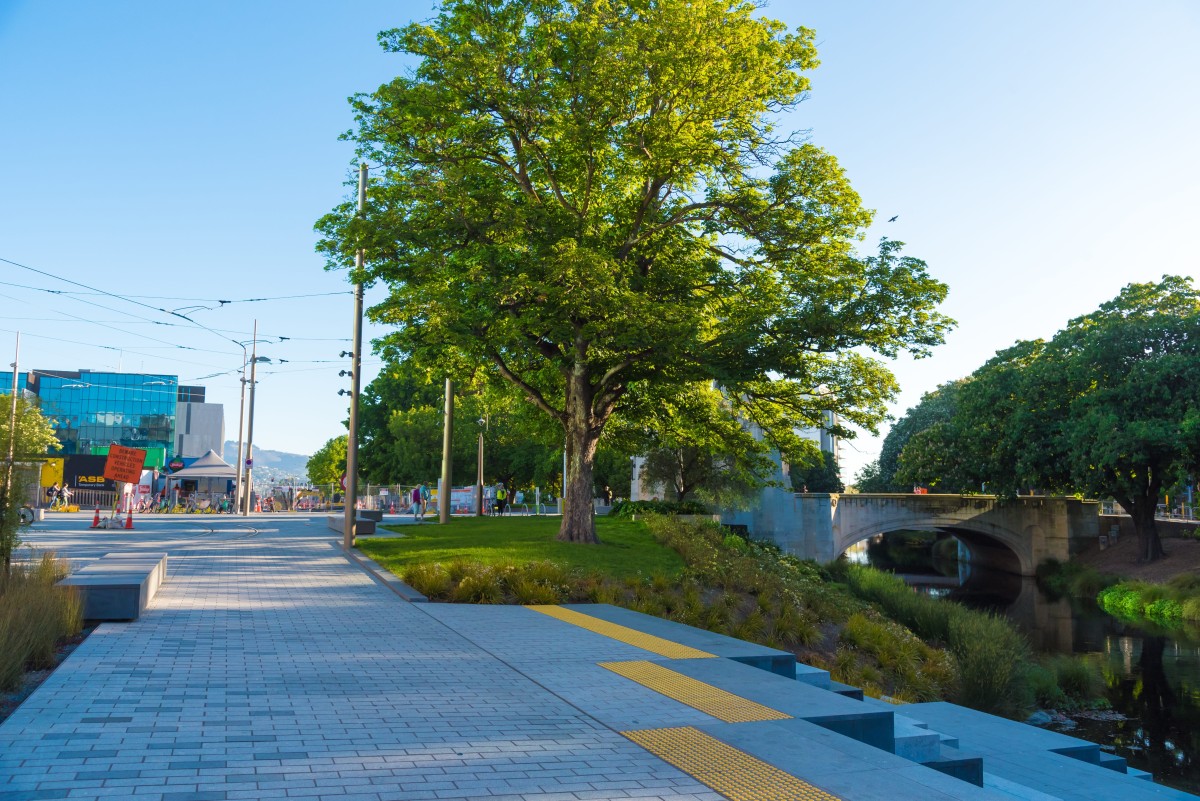
Te Kaha is a key anchor project in Christchurch’s rebuild, designed to stimulate development and revitalisation in the central city. Large-scale venues like this often act as catalysts for increased property values, new commercial developments, and a surge in business activity in surrounding areas.
The Te Kaharoa precinct has been carefully integrated with public transport and nearby accommodation, strengthening its role as a hub of economic activity. This connectivity ensures that the benefits of the stadium extend well beyond its walls, supporting a more vibrant and commercially active city centre.
Mayor Mauger emphasised the importance of the project in this broader context. “I’m delighted that this day has finally arrived and we get to see this amazing stadium finished. I’m so proud of Council staff and everyone who has contributed to delivering One New Zealand Stadium at Te Kaha, on time and within budget, no less.”
Job creation and local industry growth
The economic contribution of Te Kaha began well before its opening. Since construction commenced in 2022, the project has supported around 4,000 workers and generated approximately 2.4 million work hours.
Crucially, much of this work has been delivered by local contractors and suppliers. As Mayor Mauger highlighted, “Most of our contractors, subcontractors, and suppliers have come from Canterbury and the South Island. This project has supported local jobs, strengthened local firms and injected confidence into our regional industries – it’s a real local success story.”
This investment in local capability has had a multiplier effect, supporting regional businesses and building long-term economic resilience.
A sustainable revenue model
Te Kaha has also been designed with financial sustainability in mind. While large stadiums often rely heavily on public funding, forecasts suggest this venue will move toward breaking even within its early years of operation, reducing the need for ongoing council subsidies by 2027–28.
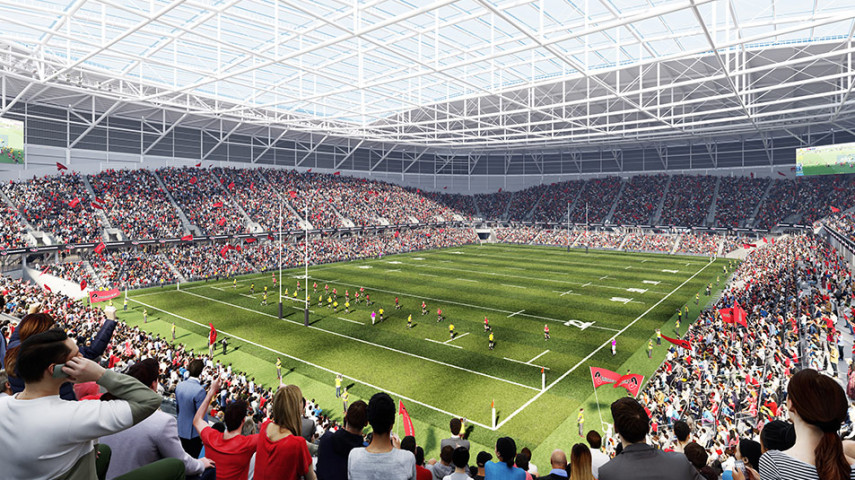
This will be driven by diverse revenue streams, including sporting events, concerts, corporate hospitality, and community uses. With a permanent seating capacity of around 30,000, expandable to more than 36,000 for concerts, the stadium offers flexibility to host a wide range of events and maximise utilisation.
Restoring capacity and unlocking opportunity
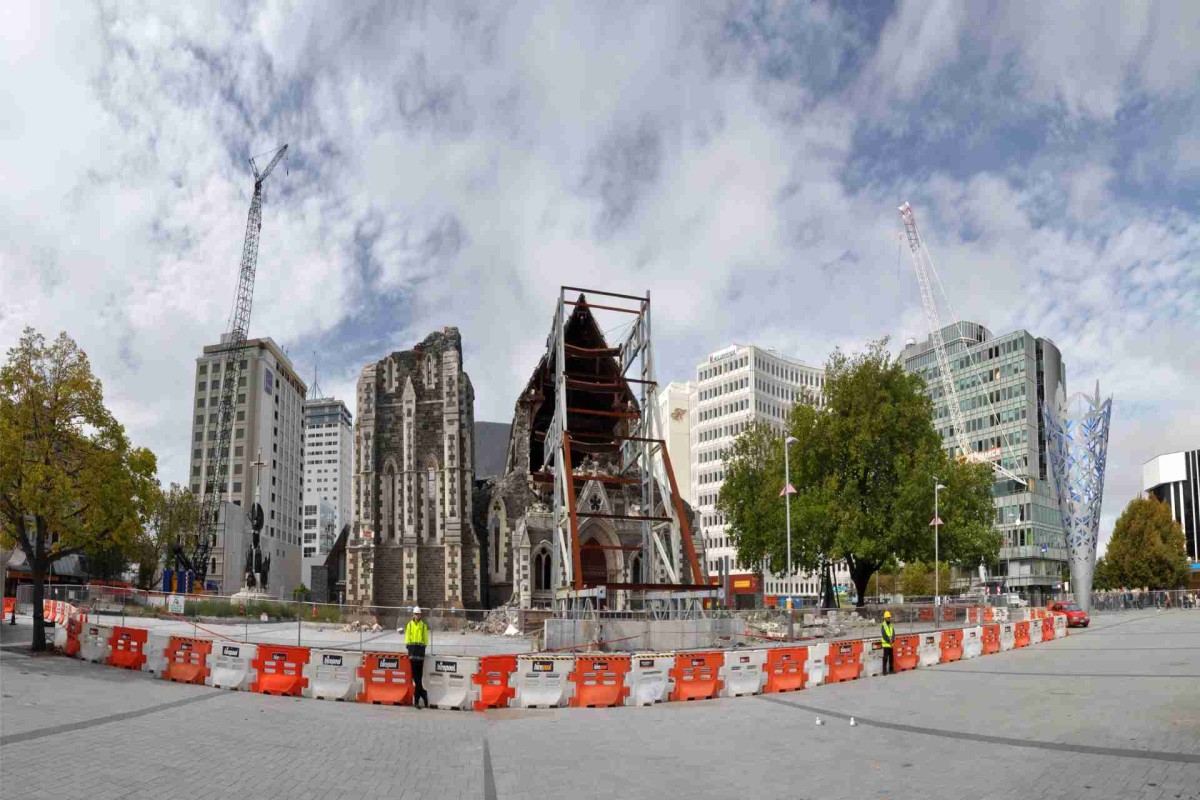
The stadium also replaces a critical piece of infrastructure lost after the Canterbury earthquakes: a large-scale venue capable of hosting major international events. Without such a facility, Christchurch has been unable to fully participate in the lucrative sports and entertainment market.
Te Kaha changes that. Its fully covered design and multi-use capability position Christchurch to attract high-profile events, including rugby, football, and major concerts, beginning with the Super Rugby Pacific “Super Round” scheduled for ANZAC weekend 2026.
Wider economic and social impact
Beyond the direct financial benefits, the stadium contributes to Christchurch’s identity, confidence, and global reputation. It is both a practical asset and a symbol of the city’s recovery and ambition.
Mayor Mauger captured this sentiment, saying: “This is a place for our people. A place where families will make memories, where young people will be inspired by their heroes, and where visitors will feel the pride, energy, and optimism that defines the Christchurch of today.”
Cultural elements embedded throughout the design, including artwork and features reflecting Ngāi Tūāhuriri heritage, also enhance its appeal as a unique destination, enriching the visitor experience and strengthening its cultural value.
A Long-Term Investment in Growth
Ultimately, One New Zealand Stadium at Te Kaha represents a strategic investment in Christchurch’s future. By driving tourism, supporting local businesses, creating jobs, and enabling world-class events, it delivers economic benefits that extend far beyond its construction cost.
With strong foundations already laid and a clear pipeline of events ahead, the stadium is set to play a defining role in the city’s continued growth, helping to transform Christchurch into a more dynamic, connected, and economically resilient destination.
SPONSORED