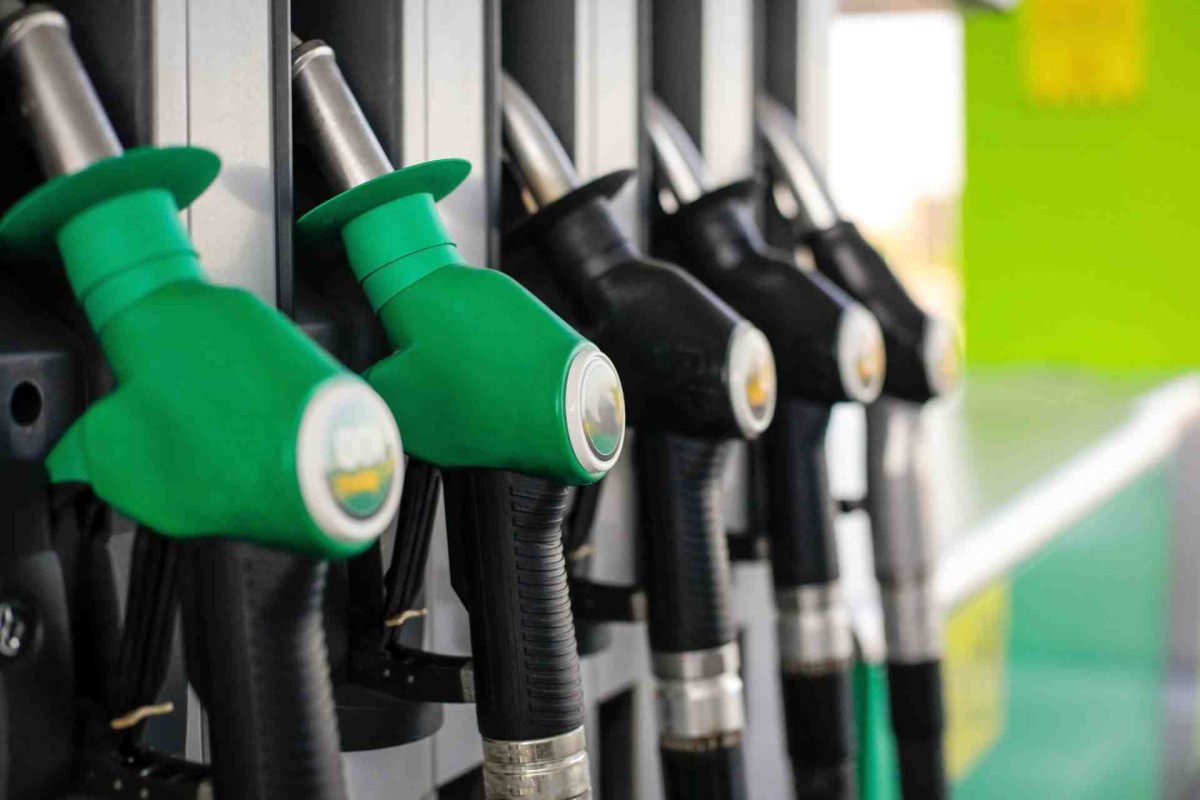

Petrol prices in New Zealand have surged past the $3 per litre mark, as escalating conflict in the Middle East pushes global oil prices higher, leaving Kiwi motorists feeling the impact almost immediately.
The increase has been sharp. Prices have jumped by around 45 to 50 cents per litre, adding roughly $23 to the cost of filling an average car, according to Finance Minister Nicola Willis. Diesel drivers are facing even steeper rises, with prices up about 72 cents per litre, around $36 extra per fill.
While the price spike is being felt locally, its causes are global. Tensions in the Middle East, particularly around key oil transit routes like the Strait of Hormuz, have raised concerns about supply disruptions, driving up international oil prices. As a fuel-importing nation, New Zealand is especially exposed to these global shifts.
Kelly Eckhold warned the situation could worsen if the conflict continues. “If the crisis continues, the price of oil could hit US$200 a barrel,” he told 1News, adding that this could push petrol prices in New Zealand beyond $4 per litre.
Despite rising prices, the Government says there is no immediate cause for concern when it comes to fuel availability. New Zealand currently holds around 49 days’ worth of fuel supply across petrol, diesel and jet fuel, including both onshore reserves and shipments already en route.
Nicola Willis emphasised that these levels remain stable. “Stock levels fluctuate week to week as fuel is consumed and new shipments arrive. They are not a sign of supply disruption.”
She added that more fuel is already on the way. “More than a week’s worth of fuel is scheduled to arrive over the coming days, with additional shipments already on the water and due later this month.”
This highlights an important point for consumers: even when supply is stable, prices can still rise due to global market conditions. Fuel pricing in New Zealand is closely tied to international oil prices, meaning geopolitical events can quickly affect what drivers pay at the pump.
To ensure the country is prepared for any escalation, the Government has stepped up coordination efforts. A newly formed ministerial group is now overseeing fuel security and supply chain risks, bringing together senior leaders across energy, transport and economic portfolios.
According to Nicola Willis, the group has been established to ensure New Zealand is ready for any scenario:
“This is a fast-moving situation and New Zealand needs to be prepared for all scenarios… our economy depends on ministers having full, accurate facts in order to make significant decisions, if necessary.”
As part of a global response, New Zealand is also working with the International Energy Agency to help stabilise oil markets. Member countries, including New Zealand, are contributing to a coordinated release of oil reserves aimed at easing supply pressures and bringing down prices.
Associate Energy Minister Shane Jones said New Zealand’s contribution is relatively small but still important:
“We should not overlook the fact that we are making a small but significant contribution to protecting global economies and helping to ease the oil price and supply issues around the world.”
For now, officials say there is no need for fuel rationing or restrictions. “There is no need for fuel restrictions,” Shane Jones said. “Introducing rationing or restriction measures before there is clear evidence of a genuine shortage won’t create more fuel in the system.”
The Government continues to work closely with fuel companies and international partners, monitoring both supply levels and shipping activity to ensure any risks are identified early.
Shane Jones reassured the public that transparency will remain a priority as the situation evolves. “New Zealanders should be reassured that we are monitoring this very, very closely. When we receive information, we will share that information. If circumstances change, we will swiftly notify the public. There is no need for panic or over-reaction.”
For Kiwi drivers, the message is clear: while fuel prices may remain volatile in the short term, supply remains stable and there is no need to rush to the pump.
Ten steps to help lower your fuel costs
Want to lower your fuel costs? Here are 10 simple changes to make that can help you reduce your fuel bill.
1. Service and tune your vehicle
Regular services and tune ups could reduce fuel consumption by up to four percent. To make your car more efficient, replacing worn components such as spark plugs and regularly changing lubricants and filters is important. An MTA General Repairer can help keep your car in good condition.
2. Use the recommended grade of oil and fuel
Use the oil and fuel recommended in your owner’s handbook to maximise fuel economy.
3. Properly inflate your tyres
Check tyre pressure monthly and before long trips. Underinflated tyres are a significant contributor to increased fuel consumption. Not sure if your tyres are correctly inflated? Use our tyre checklist to find out!
4. Fill it up
When filling up, stop at the first click – if you continue beyond this, you risk overflowing the tank and wasting fuel. Also, remember it’s better to use most of your fuel before visiting your local service station. Each time you remove the filler cap, fuel evaporates and is lost to the atmosphere.
5. Avoid prolonged idling
Modern vehicles are designed to operate efficiently from start-up and don’t need to be ‘warmed up’. If you stop for an extended period and can restart safely, consider turning off your engine.
6. Use high gears and cruise control
Use the highest gear, relative to the speed you are travelling, to save fuel and reduce wear. Cruise control (if fitted), helps maintain a constant speed and can reduce fuel consumption when used on long flat roads.
7. Read the road ahead
Avoid quick starts and aggressive driving. You’ll save fuel and avoid unnecessary wear and tear. It also helps if you accelerate smoothly, look well ahead and anticipate stops.
8. Clean out your vehicle and remove roof racks
Unnecessary weight burns fuel, so avoid carrying heavy items if you don’t need to. Things like roof racks and storage boxes create excessive drag and increase fuel consumption, so remove them if they’re not being used.
9. Avoid rush hour and combine trips
Where possible, avoid rush hour driving, as stop-and-go driving burns more fuel. Try to plan ahead and combine several trips into one.
10. Slow down
Fuel consumption increases by around six percent for every 10km/h faster you go over 90km/h. Besides being the open road’s speed limit, 100km/h is a good compromise between travel time and fuel economy for most drivers.
SPONSORED