
In recent years, Formula 1 has surged in popularity across New Zealand, driven largely by the success and global profile of Kiwi driver Liam Lawson and the sport’s rising global momentum.
Broadcast figures in New Zealand have broken records, with over one million fans tuning in across Sky Sport and free‑to‑air platforms during the 2025 season, an indicator that F1 enthusiasm here is far from niche.
Against this backdrop, it’s natural to ask: Could New Zealand host a Formula 1 Grand Prix?
The case for yes
Boosting tourism and global exposure
Major international sporting events have the power to elevate a country’s profile overnight, drawing in tourists, international media, and high-profile sponsors.
A New Zealand Grand Prix could put cities like Auckland or Christchurch firmly on the world stage, offering a unique opportunity to showcase our landscapes, culture, and hospitality to a global audience.
The economic boost from such events can be substantial: hotels, restaurants, transport providers, and retail sectors all see a surge in activity, and the media coverage can generate marketing value far exceeding traditional advertising campaigns.
There’s also the long-term value of increased awareness. Global motorsport fans might choose New Zealand for holidays or business trips after seeing its cities and scenic regions during F1 broadcasts.
In this sense, a Grand Prix could become a dual investment, combining sport with national promotion, while positioning New Zealand as a destination capable of hosting large-scale international events.
Celebrating Kiwi motorsport heritage
New Zealand has a proud motorsport tradition that has produced world-class drivers and engineers who have left an indelible mark on the global racing scene.
From legends such as Bruce McLaren, whose eponymous team continues to compete at the highest level, to modern champions like Scott Dixon and rising stars like Liam Lawson, Kiwi motorsport has been consistently punching above its weight internationally.
Hosting a home Formula 1 race would not only celebrate this rich heritage but also provide a platform to inspire the next generation of drivers, engineers, and racing enthusiasts.
Seeing world-class F1 machinery compete on local soil would be a tangible demonstration of what Kiwi talent has achieved and what young athletes might aspire to in the years ahead.
Further, it could stimulate interest in local motorsport programs, encouraging participation at grassroots levels, and providing a direct link between New Zealand’s racing history and its future ambitions.
A passionate fan base
The appetite for motorsport in New Zealand is undeniable. Interest spans from grassroots clubs and regional tracks to national and international competitions, with thousands of fans actively following both domestic and global series.
The emergence of feeder series like the Castrol Toyota Formula Regional Oceania Trophy ensures that young Kiwi talent is nurtured and visible, providing a clear pathway to professional racing. Existing circuits, while not currently up to F1 specifications, already host competitive events that draw crowds and media coverage.
This indicates that a substantial audience is ready and waiting, eager to embrace the spectacle of a Formula 1 weekend. The passion is there; what remains uncertain is whether the country has the infrastructure and investment capacity to transform this enthusiasm into a sustainable and logistically viable F1 event.
The case for no
Infrastructure and cost hurdles
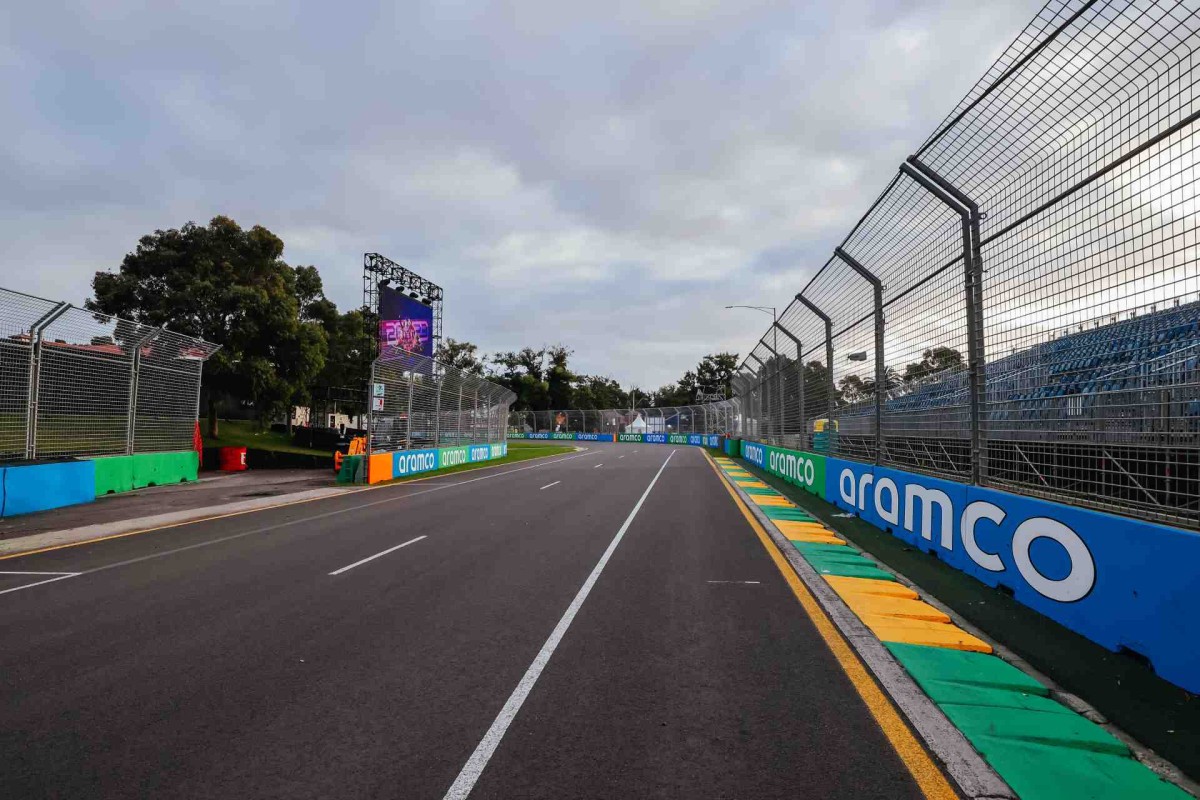
While the idea of hosting Formula 1 is exciting, the practical requirements are staggering. Formula 1 demands world-class facilities, with circuits needing to meet the FIA’s Grade 1 standards: a certification that ensures track safety, quality, and international compliance.
Achieving this requires massive investment, often tens of millions of US dollars, just for hosting fees, not including costs for track upgrades, spectator facilities, paddocks, media centres, and other essential infrastructure.
New Zealand circuits such as Highlands Motorsport Park and Euromarque Motorsport Park currently meet lower-grade certifications, making them unsuitable for F1 without extensive and expensive redevelopment.
Such projects would require long-term planning, significant financial backing, and government support, presenting an enormous barrier even for a country as enthusiastic about motorsport as New Zealand.
The cost isn’t just financial; it also involves years of planning, engineering, and negotiation with international governing bodies to meet the sport’s stringent requirements.
Accommodation and logistical challenges
Formula 1 weekends are far more than just the race. They involve massive logistics, including accommodation, transportation, medical facilities, and media support for teams, staff, and thousands of spectators.
Cities like Melbourne, which hosts the Australian Grand Prix, rely on over 26,000 hotel rooms and extensive city infrastructure to handle the influx of visitors. Most New Zealand cities, even Auckland and Christchurch, would struggle to provide this scale of accommodation, transport, and support services.
Beyond just rooms, there’s a need for seamless traffic management, emergency services, and city-wide coordination to ensure the event runs smoothly.
Without addressing these logistical challenges, hosting F1 could overwhelm local infrastructure, frustrate residents, and tarnish the experience for international visitors, undermining the very benefits that make the event attractive.
A crowded calendar
The global Formula 1 calendar is increasingly packed, with new races vying for slots alongside traditional, well-established circuits that guarantee strong economic returns and media coverage.
Adding a New Zealand race would require careful negotiation and likely displace another location, making entry into the championship highly competitive.
Even circuits with ideal climates, passionate fans, and historical significance have struggled to secure a place on the calendar. This makes New Zealand’s challenge not only one of logistics and finance but also of timing and negotiation with an already congested international sporting schedule.
The reality is that while there is enthusiasm and potential, there is also fierce competition among nations looking to host the sport.
Practicalities
Some enthusiasts suggest a street circuit in Auckland or Wellington as a solution, leveraging city landscapes for a spectacular visual backdrop. Street circuits are visually iconic, creating a dramatic television spectacle that can attract global attention.
However, they also come with unique challenges, including complex road closures, infrastructure setup and teardown, safety barriers, and disruption to residents and businesses. Purpose-built tracks, while requiring massive upfront investment, offer the advantage of year-round usability, hosting multiple events and training opportunities beyond Formula 1.
Environmental and social considerations are also critical. Even with Formula 1’s shift toward hybrid and sustainable technologies, hosting a Grand Prix produces noise, emissions, and local disruption, which may face resistance from communities prioritising sustainability and quality of life.
Alternatively, New Zealand could aim for other international motorsport series, such as Formula E, the World Endurance Championship, or GT events. These series offer global exposure without the extreme cost and logistical requirements of Formula 1, providing a more feasible stepping stone for the country to build its international motorsport profile.
Over time, this approach could lay the groundwork for a future F1 event, demonstrating New Zealand’s ability to host world-class racing successfully.
The prospect of Formula 1 in New Zealand is undeniably exciting. Rather than focusing solely on “if,” a smarter conversation is about how New Zealand can strategically position itself in the world motorsport arena.
Through upgraded circuits, alternative championship rounds, and stronger developmental pathways for local talent, New Zealand can keep motorsport ambitions alive while laying the foundation for potentially hosting Formula 1 one day.
SPONSORED